

Ngorongoro Crater
The world's largest intact volcanic caldera — a UNESCO World Heritage Site sheltering 25,000 large animals in a breathtaking natural amphitheatre.
Ngorongoro Crater is one of Africa's most extraordinary natural wonders. Formed when a massive volcano collapsed inward roughly three million years ago, this 260-square-kilometre caldera floor sits 600 metres below its rim, creating a self-contained ecosystem of staggering biodiversity.
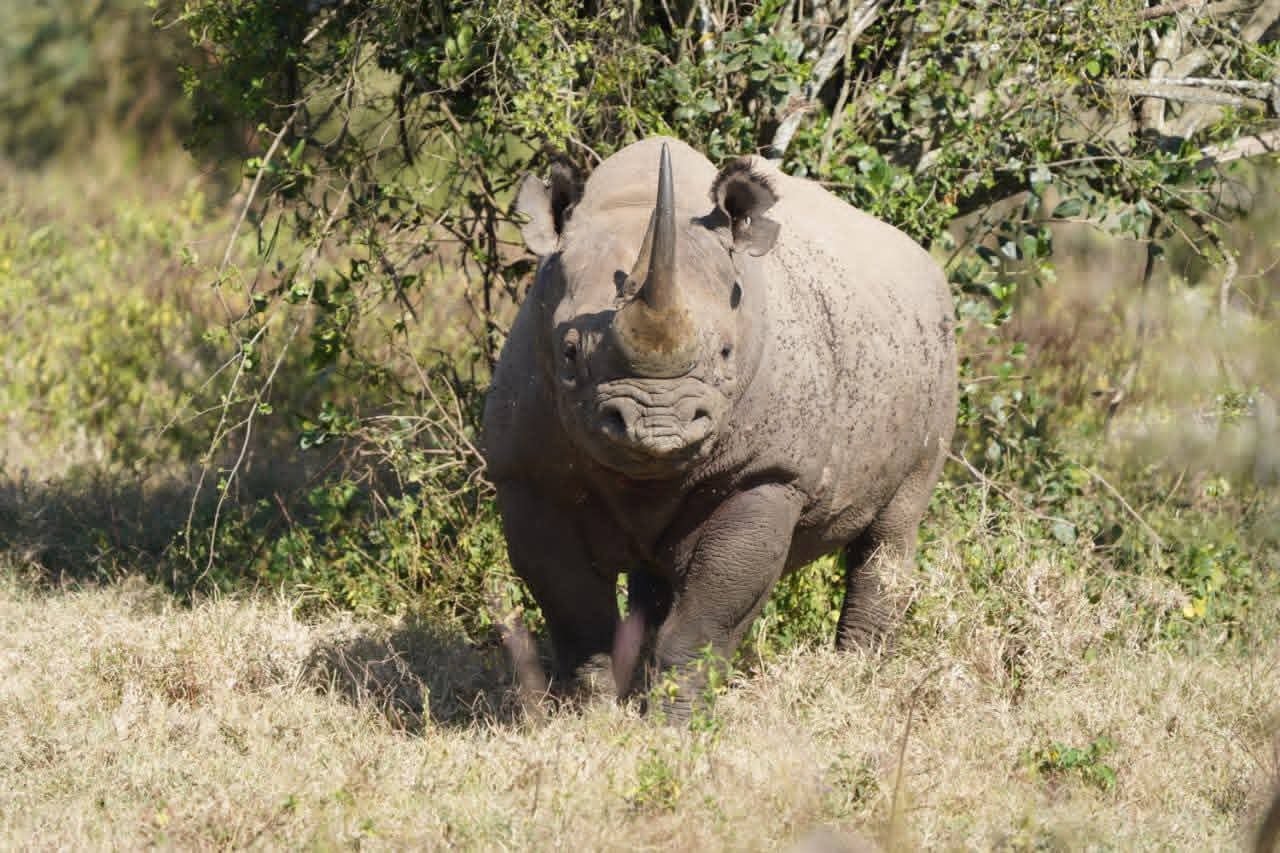
Often called "Africa's Garden of Eden," the crater shelters approximately 25,000 large animals within its walls — including one of Tanzania's densest populations of lion, hyena, and endangered black rhinoceros. The crater floor encompasses grasslands, swamps, forests, and Lake Magadi, a soda lake that attracts thousands of flamingos.
The Ngorongoro Conservation Area surrounding the crater is unique in Tanzania — it is the only protected area where Maasai pastoralists live alongside wildlife, continuing traditions that predate colonial boundaries. This cultural dimension adds profound depth to any visit.
A half-day game drive descending to the crater floor is the standard experience, and it consistently delivers some of the best wildlife viewing in all of Africa — often within the first hour.
Safari Tours & Packages in Ngorongoro Crater
Explore our curated itineraries that include Ngorongoro Crater.
Serengeti National Park
8 Day Great Migration Safari in Tanzania
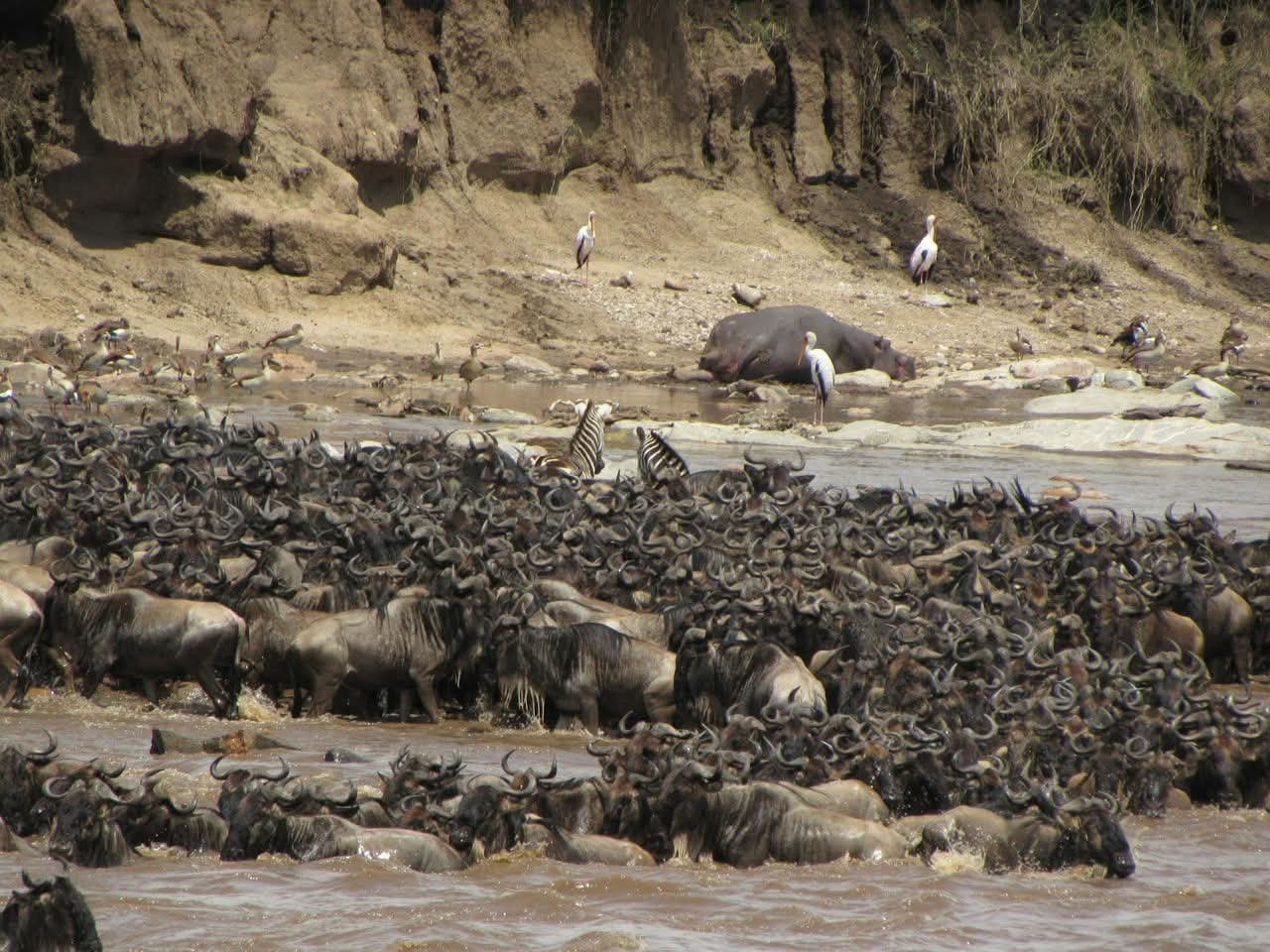
Experience the heartbeat of Africa. Over 8 unforgettable days, journey through Tarangire, descend into Ngorongoro Crater, and stand in awe of the Great Migration across the endless plains of the Serengeti.
Tarangire National Park
7 Day -Northern Circuit Classic Safari
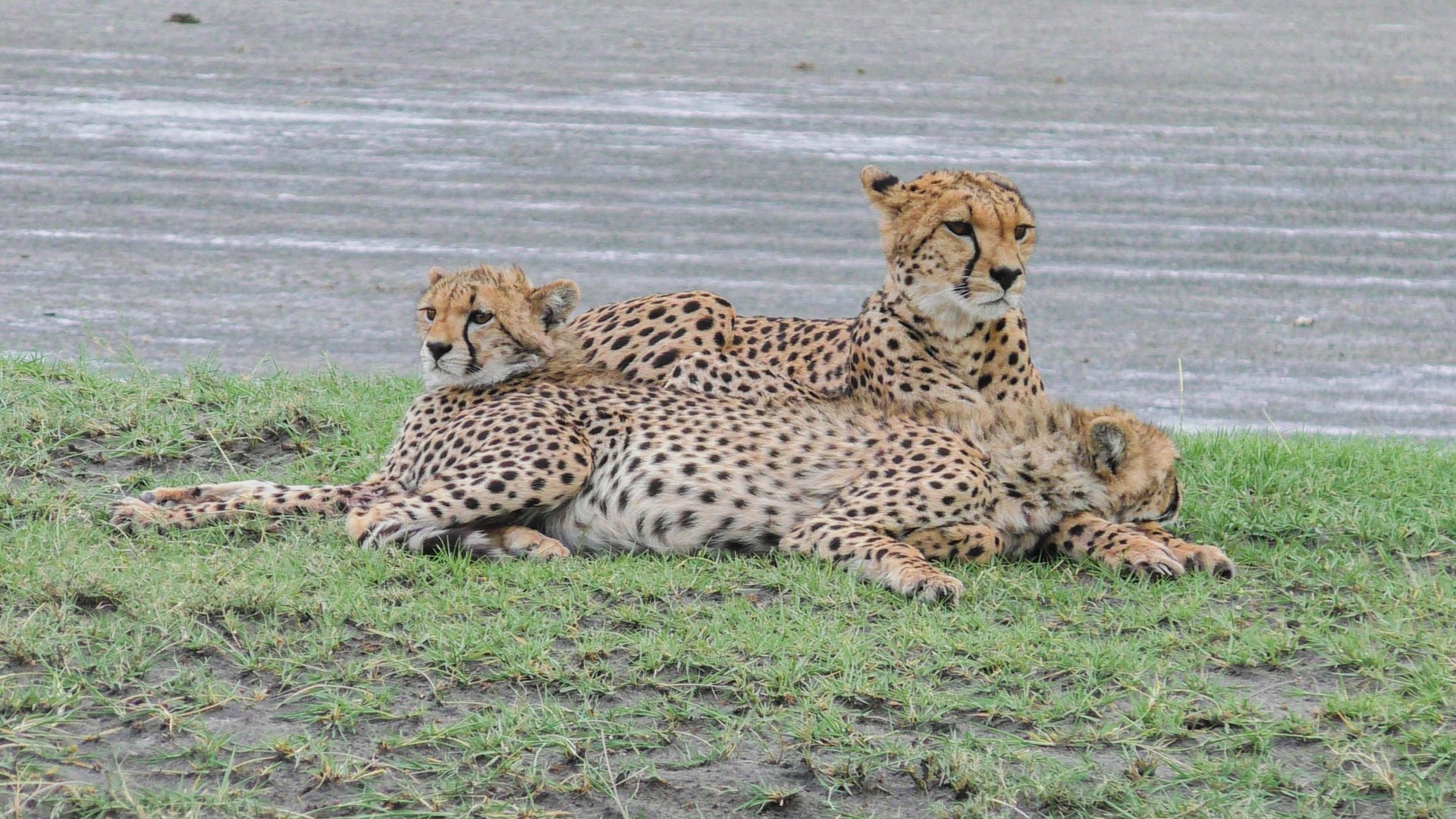
Discover Tanzania’s most famous wilderness areas on a 7-day guided safari. Track the Big Five across the Serengeti, witness the world's largest intact volcanic caldera at Ngorongoro, and encounter massive elephant herds in Tarangire. Designed for comfort and depth, this journey delivers the complete Northern Circuit experience.
Serengeti National Park
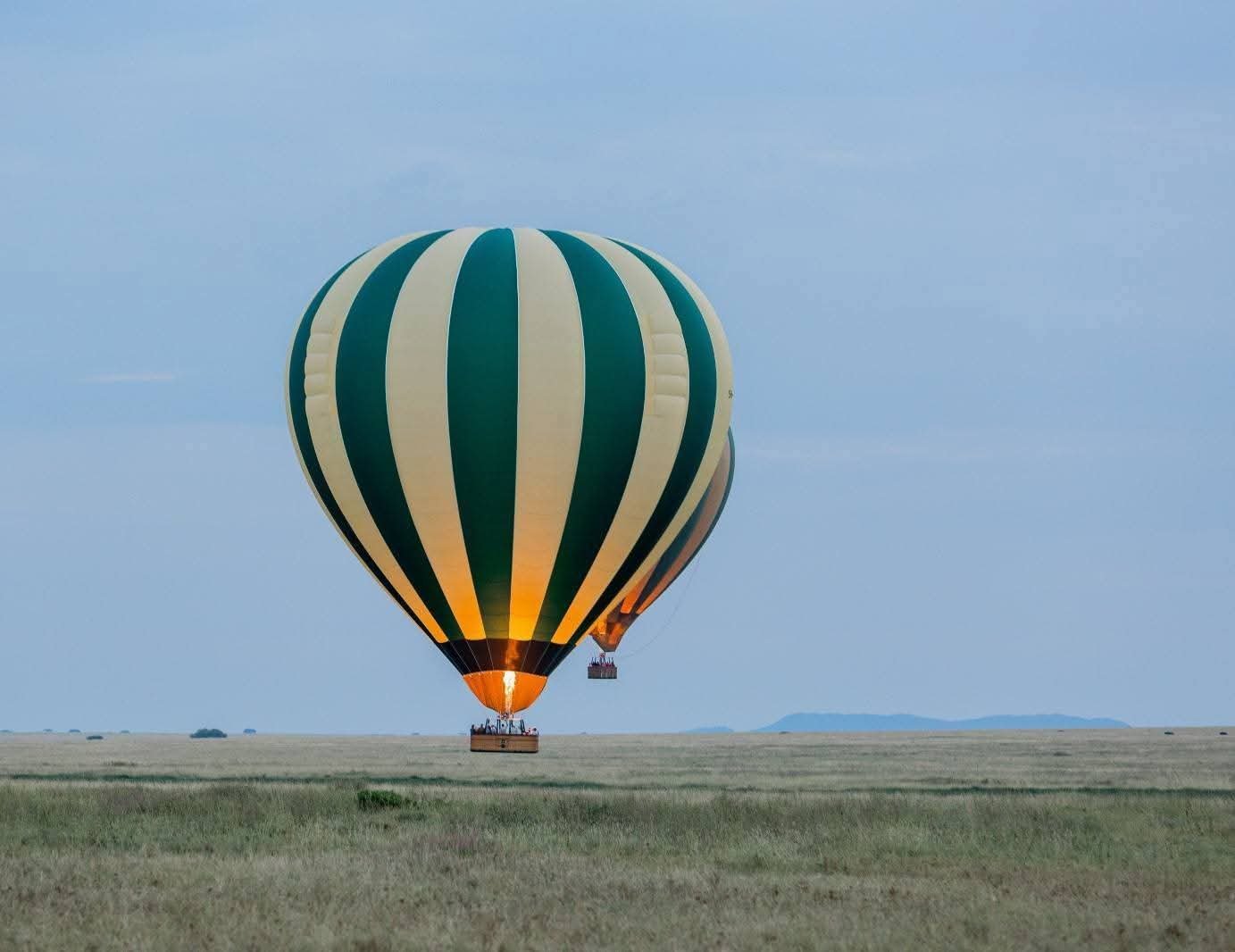
5 Day Serengeti & Ngorongoro Fly-In Safari
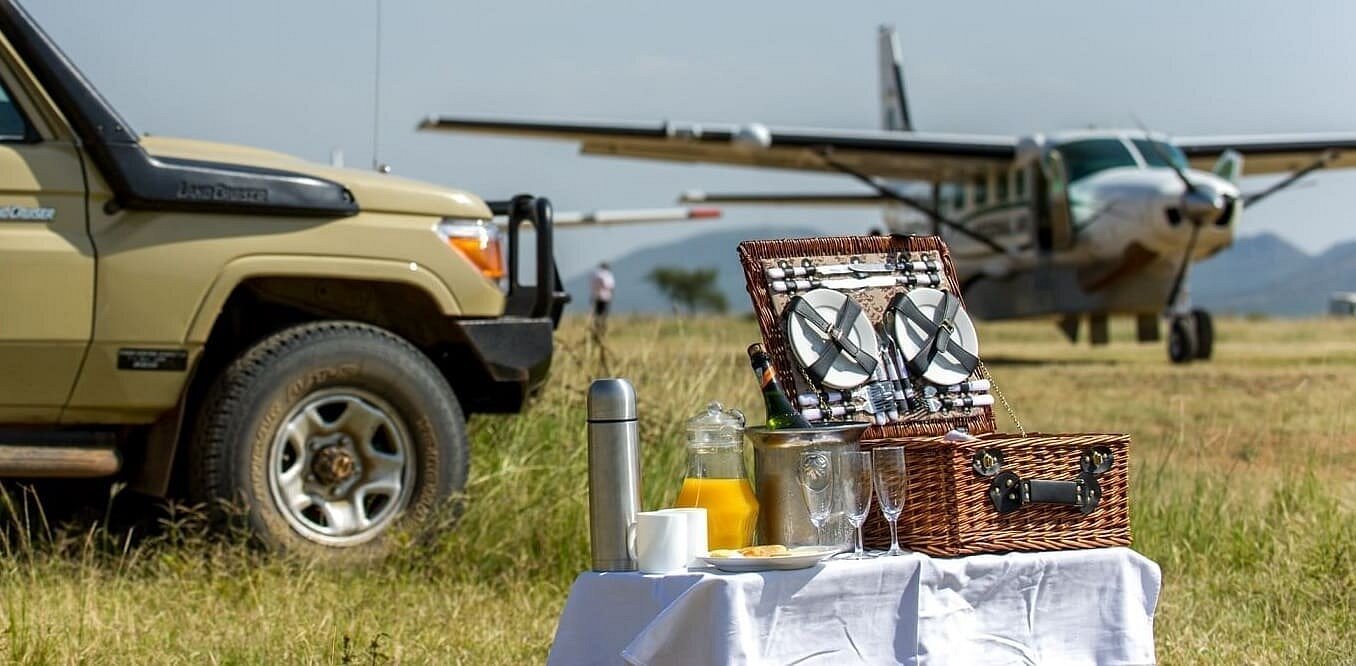
A luxury fly-in safari — skip the long drives and maximise your time with wildlife in the Serengeti and Ngorongoro.
Tarangire National Park
Tanzania Family Safari & Zanzibar Beach Escape
This itinerary combines Tanzania's most famous safari destinations with the tropical beauty of Zanzibar, creating the perfect balance between adventure and relaxation. Private guides, flexible pacing, family-friendly accommodations, and unforgettable wildlife encounters ensure an enriching experience for travelers of all ages. Family-focused safaris are widely regarded as one of the best ways to experience Tanzania, especially when combined with a beach extension in Zanzibar.
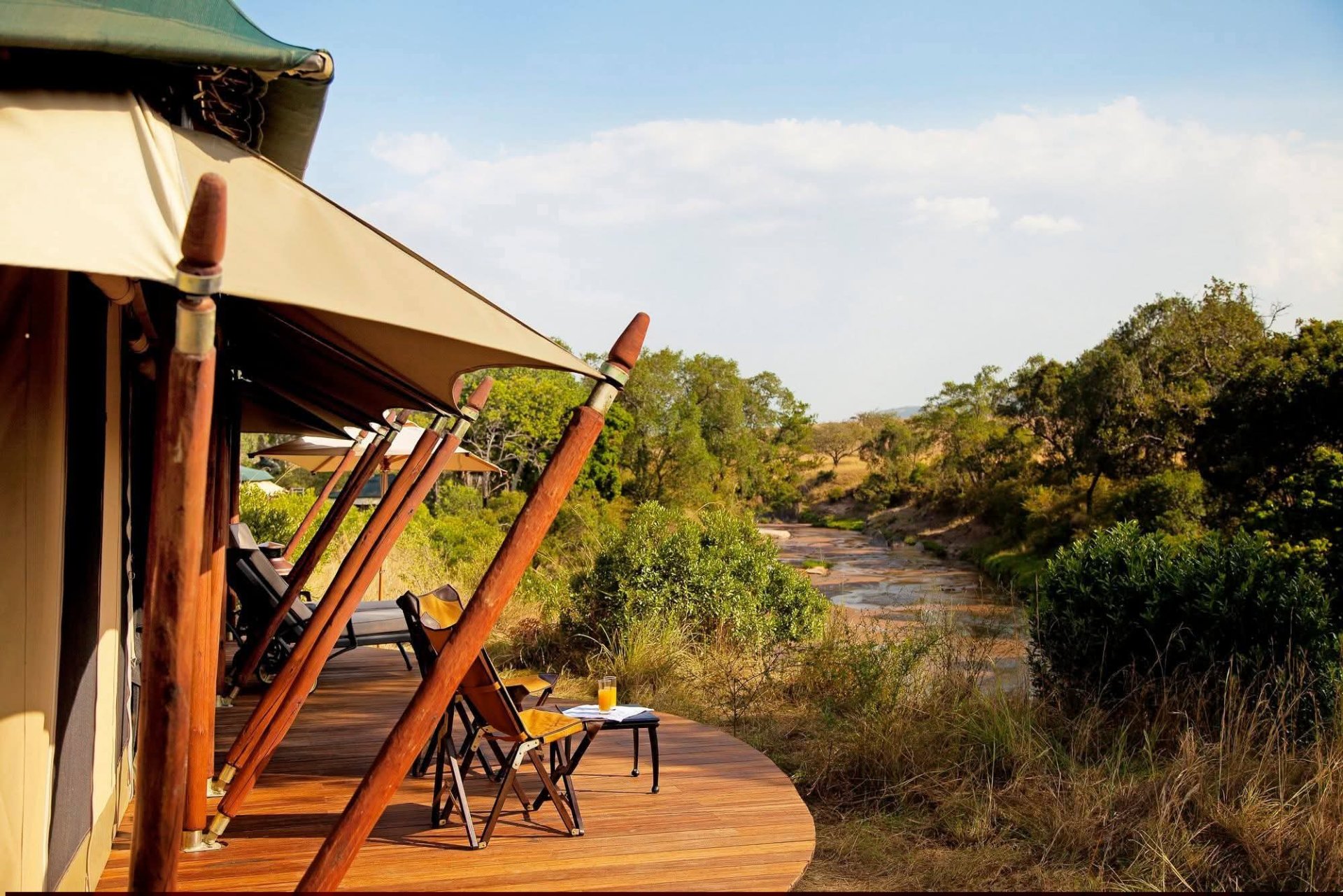
CULTURE AND WILDLIFE SAFARI AND ZANZIBAR
Discover the magic of Tanzania on this comprehensive 15-day itinerary combining world-class safaris, authentic cultural immersion, and island relaxation. Journey through Tarangire, the Serengeti, and the Ngorongoro Crater, and meet the ancient Hadzabe and Datoga tribes of Lake Eyasi. Top it all off with a luxurious escape to the white-sand beaches of Zanzibar.

Serengeti National Park
Tanzania Honeymoon Safari Tour
A Tanzania honeymoon safari brings together romance, wildlife, and comfort in a way that feels both exciting and personal. It gives couples time to explore beautiful places, enjoy special moments, and begin married life with unforgettable memories.
Wildlife & What You'll See
The crater floor supports an extraordinary density of wildlife. Approximately 62 lion, large clans of spotted hyena, and around 20 critically endangered black rhinoceros are resident. Elephant bulls frequent the crater, along with buffalo herds numbering in the hundreds.
Wildebeest, zebra, eland, Grant's and Thomson's gazelle graze the grasslands. Hippos inhabit the Ngoitokitok Springs. Over 500 bird species have been recorded, including flamingos on Lake Magadi and crowned cranes in the marshes.
How to Get There
Ngorongoro is a 3-hour drive from Arusha along a well-maintained tarmac road to Lodoare Gate. The crater rim sits at 2,235 metres elevation — bring a warm layer for morning game drives. Most visitors arrive as part of a Northern Circuit safari itinerary from Arusha.
Park Fees & Regulations
Conservation area entry is $82.60 per adult per 24 hours. The crater service fee (for descending to the floor) is an additional $295.20 per vehicle. These fees are typically included in your safari package price.