
Lake Manyara National Park
A compact jewel where tree-climbing lions lounge in mahogany branches above a flamingo-fringed alkaline lake.
Lake Manyara National Park may be one of Tanzania's smallest parks at 330 square kilometres, but it packs extraordinary diversity into a compact space. Ernest Hemingway called it "the loveliest I had seen in Africa," and the park continues to enchant visitors with its dramatic scenery and varied habitats.
The park stretches along the base of the Great Rift Valley escarpment, which rises 600 metres as a sheer wall of rock and forest on the western boundary. Below, a mosaic of groundwater forest, acacia woodland, grasslands, and the vast alkaline lake itself creates distinct habitat zones that support an impressive array of wildlife.
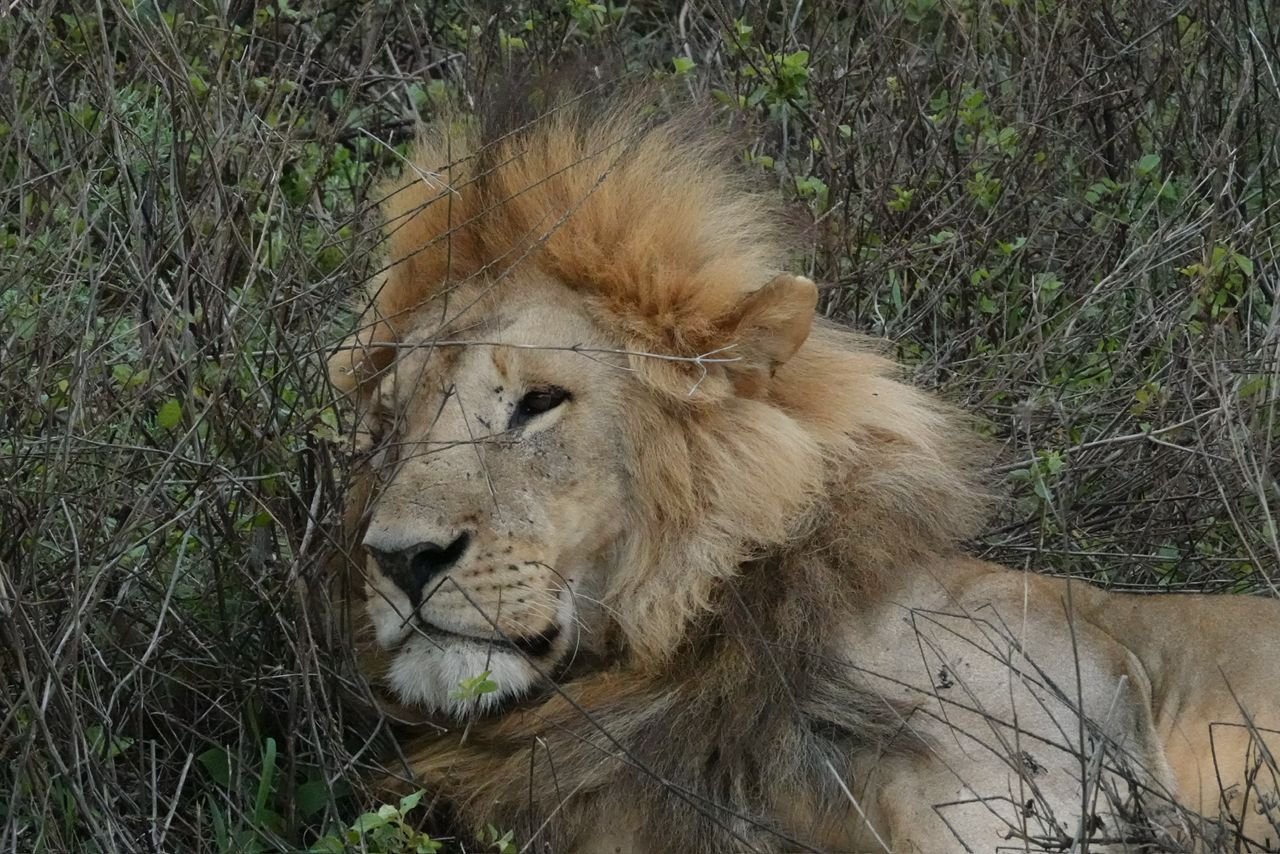
Lake Manyara is particularly renowned for its tree-climbing lions — a behaviour seen in only a handful of locations across Africa. Seeing a pride of lions draped across the branches of a mahogany or acacia tree is a uniquely memorable safari moment.
The alkaline lake, which can cover up to two-thirds of the park during wet seasons, attracts millions of flamingos whose pink masses create one of East Africa's most photographed natural spectacles.
Safari Tours & Packages in Lake Manyara National Park
Explore our curated itineraries that include Lake Manyara National Park.
Tarangire National Park
7 Day -Northern Circuit Classic Safari
Discover Tanzania’s most famous wilderness areas on a 7-day guided safari. Track the Big Five across the Serengeti, witness the world's largest intact volcanic caldera at Ngorongoro, and encounter massive elephant herds in Tarangire. Designed for comfort and depth, this journey delivers the complete Northern Circuit experience.
Serengeti National Park
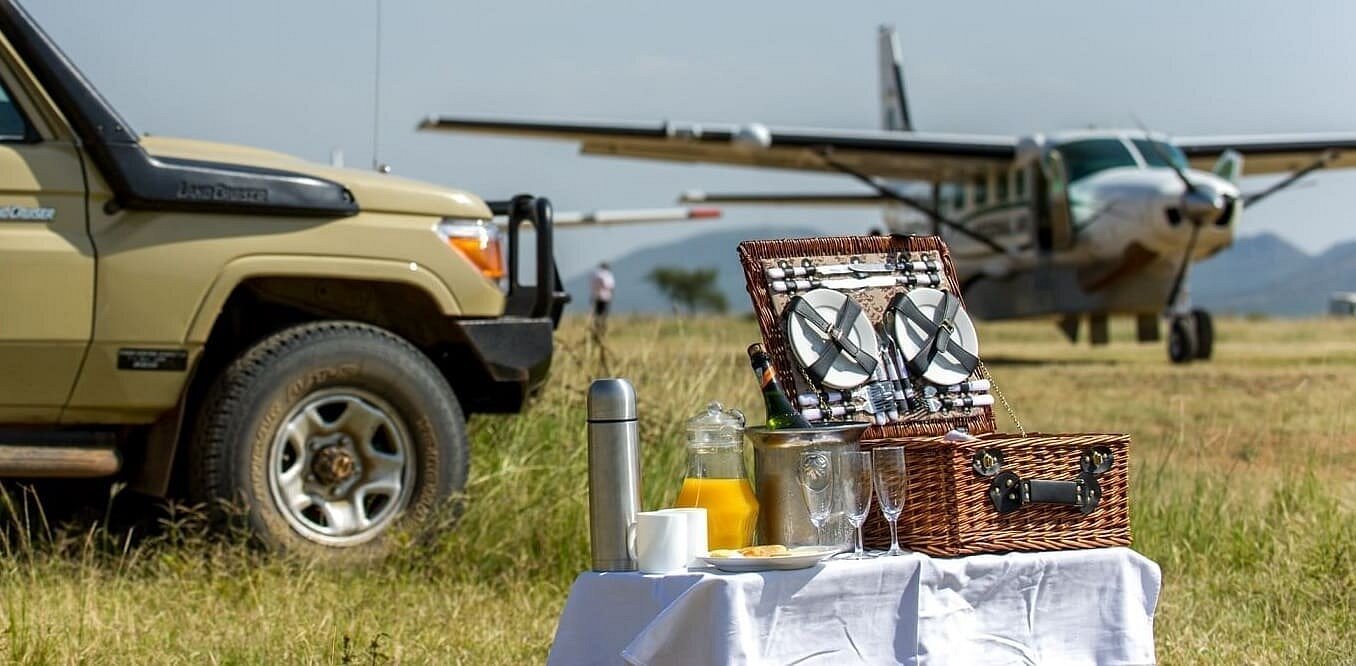
5 Day Serengeti & Ngorongoro Fly-In Safari
A luxury fly-in safari — skip the long drives and maximise your time with wildlife in the Serengeti and Ngorongoro.
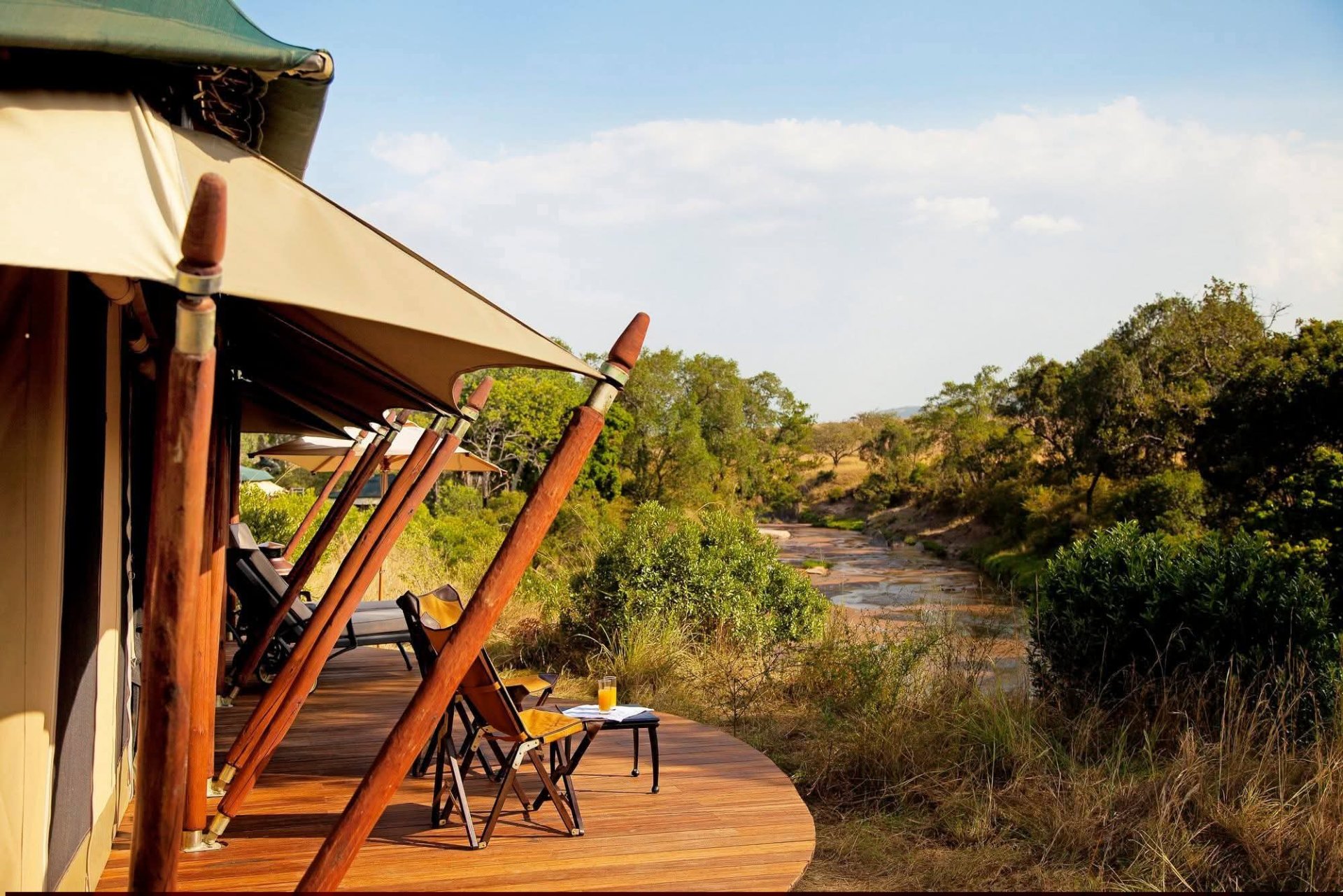
CULTURE AND WILDLIFE SAFARI AND ZANZIBAR
Discover the magic of Tanzania on this comprehensive 15-day itinerary combining world-class safaris, authentic cultural immersion, and island relaxation. Journey through Tarangire, the Serengeti, and the Ngorongoro Crater, and meet the ancient Hadzabe and Datoga tribes of Lake Eyasi. Top it all off with a luxurious escape to the white-sand beaches of Zanzibar.

Serengeti National Park
Tanzania Honeymoon Safari Tour
A Tanzania honeymoon safari brings together romance, wildlife, and comfort in a way that feels both exciting and personal. It gives couples time to explore beautiful places, enjoy special moments, and begin married life with unforgettable memories.
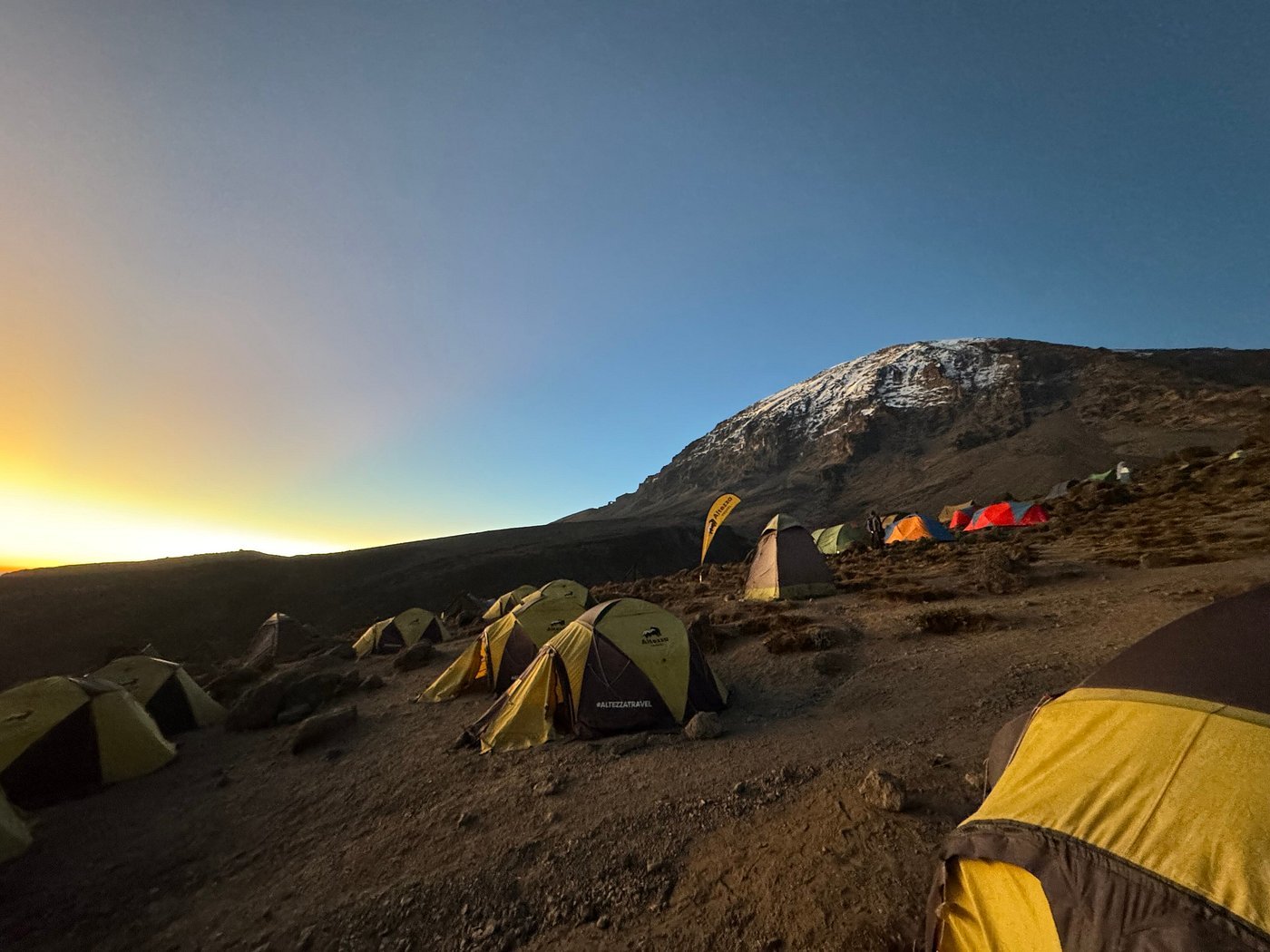
21 Days Kilimanjaro, Safari & Zanzibar
One trip, three sides of Tanzania — a full climb up the Machame Route, a Northern Circuit safari through Tarangire, Serengeti, and Ngorongoro, and six nights to unwind on Zanzibar. Tailor-made, and run start to finish by our own team.
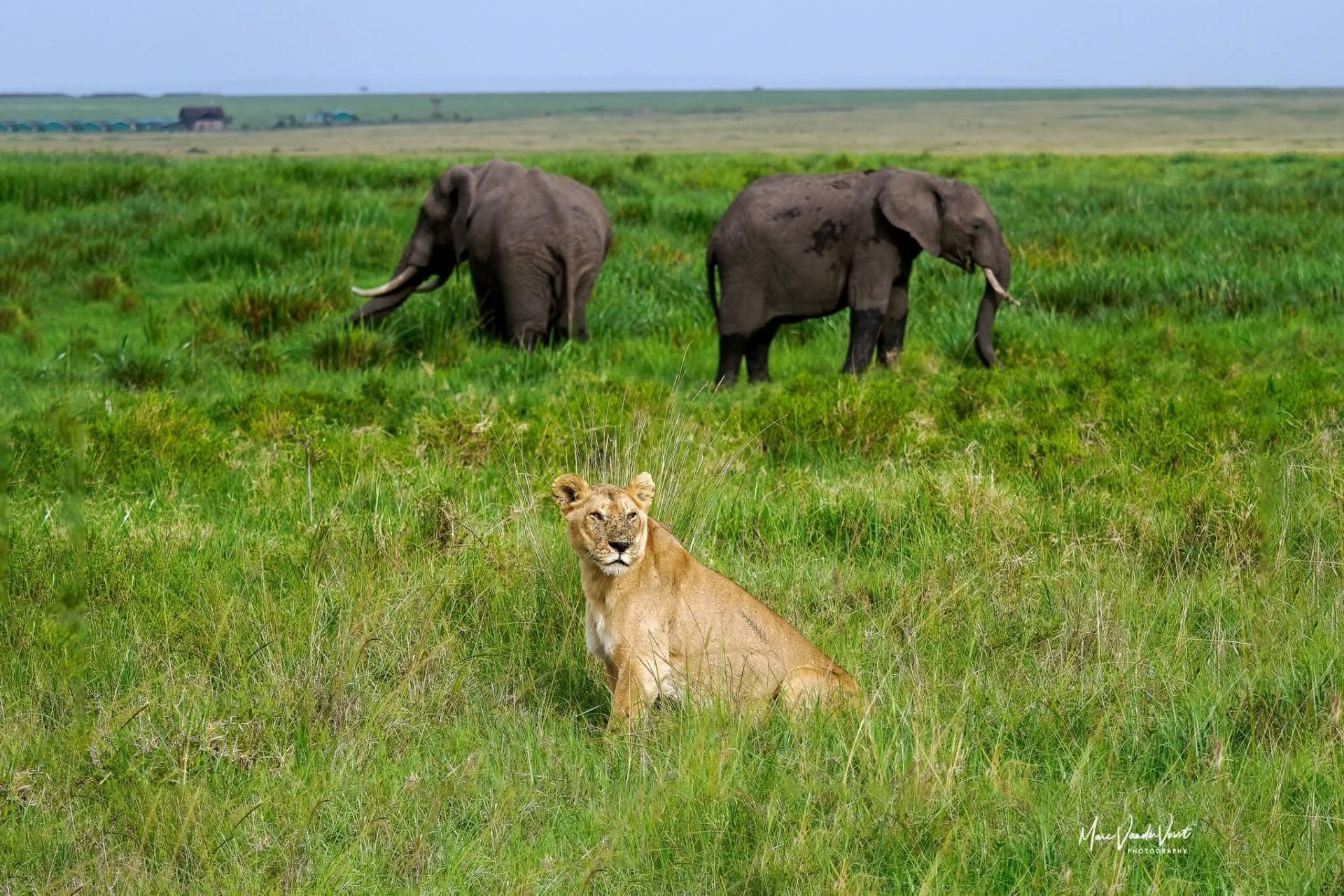
6-Day Group Joining Tanzania Safari 2027
The highlights of the northern circuit on a shared departure: Tarangire, the Serengeti and the Ngorongoro Crater. You travel with a small group in a 4x4 with a pop-up roof, with an English-speaking driver-guide, at a lower price in the quiet months.
Wildlife & What You'll See
Despite its small size, Lake Manyara supports remarkable wildlife diversity. The groundwater forest hosts troops of olive baboons and blue monkeys. Elephants move between the forest and open areas. Buffalo, giraffe, hippo, wildebeest, and impala are common.
The famous tree-climbing lions are regularly spotted in the acacia woodland zone. Over 400 bird species have been recorded, including vast flocks of flamingos, pelicans, storks, and the park's numerous raptor species. Lake Manyara is a birdwatcher's paradise.
How to Get There
Lake Manyara is just 2 hours from Arusha by road, making it one of the most accessible parks in the Northern Circuit. It is commonly visited as a half-day stop en route to Ngorongoro and the Serengeti. A small airstrip serves charter flights.
Park Fees & Regulations
Park entry fees are $53.10 per adult per 24 hours (non-resident). Children aged 5–15 pay $17.70. Night game drives are available at additional cost and offer the chance to see nocturnal species rarely encountered on daytime safaris.