Serengeti National Park
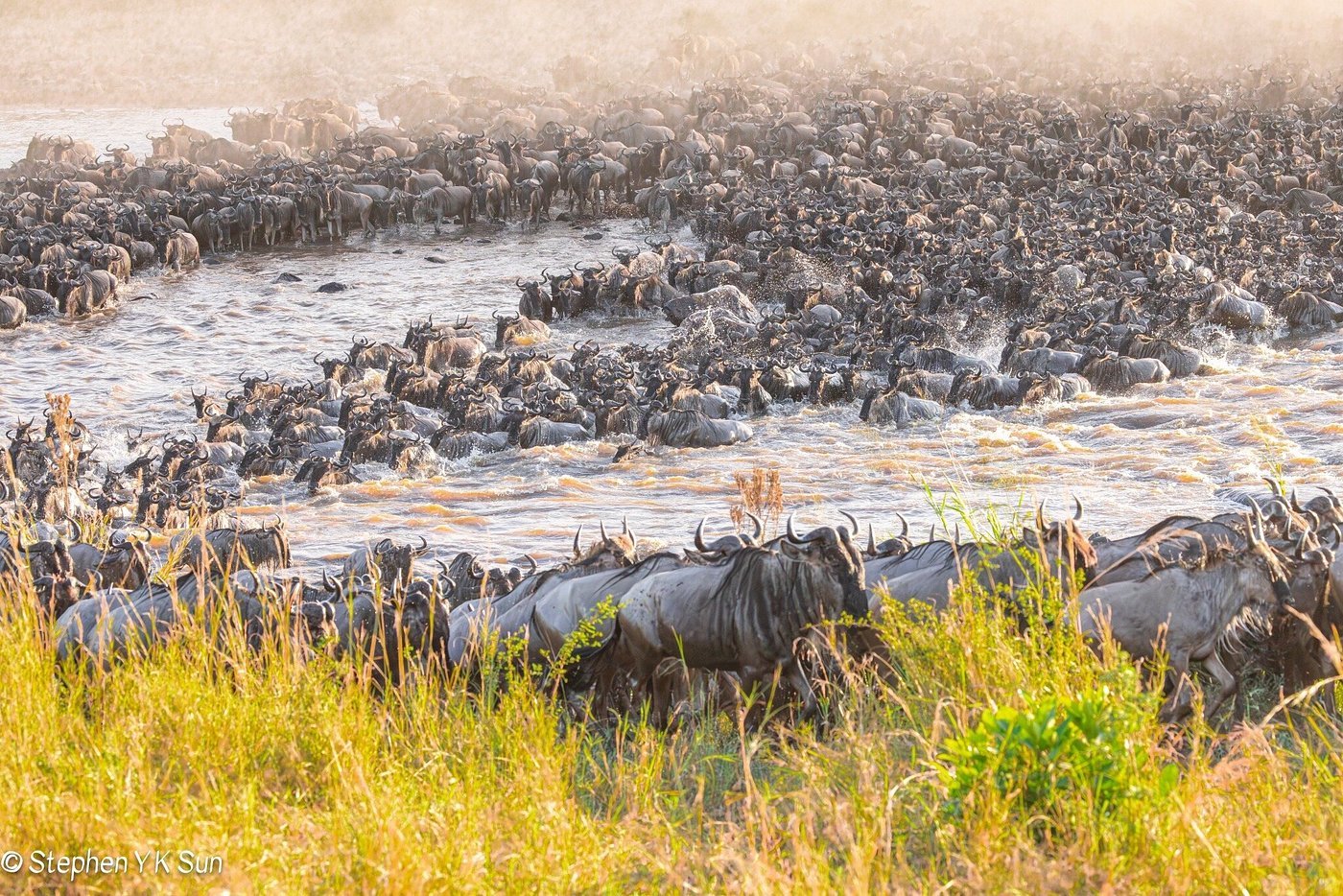
Home to the Great Migration — over two million wildebeest, zebra, and gazelle crossing vast golden plains in one of Earth's most spectacular wildlife events.
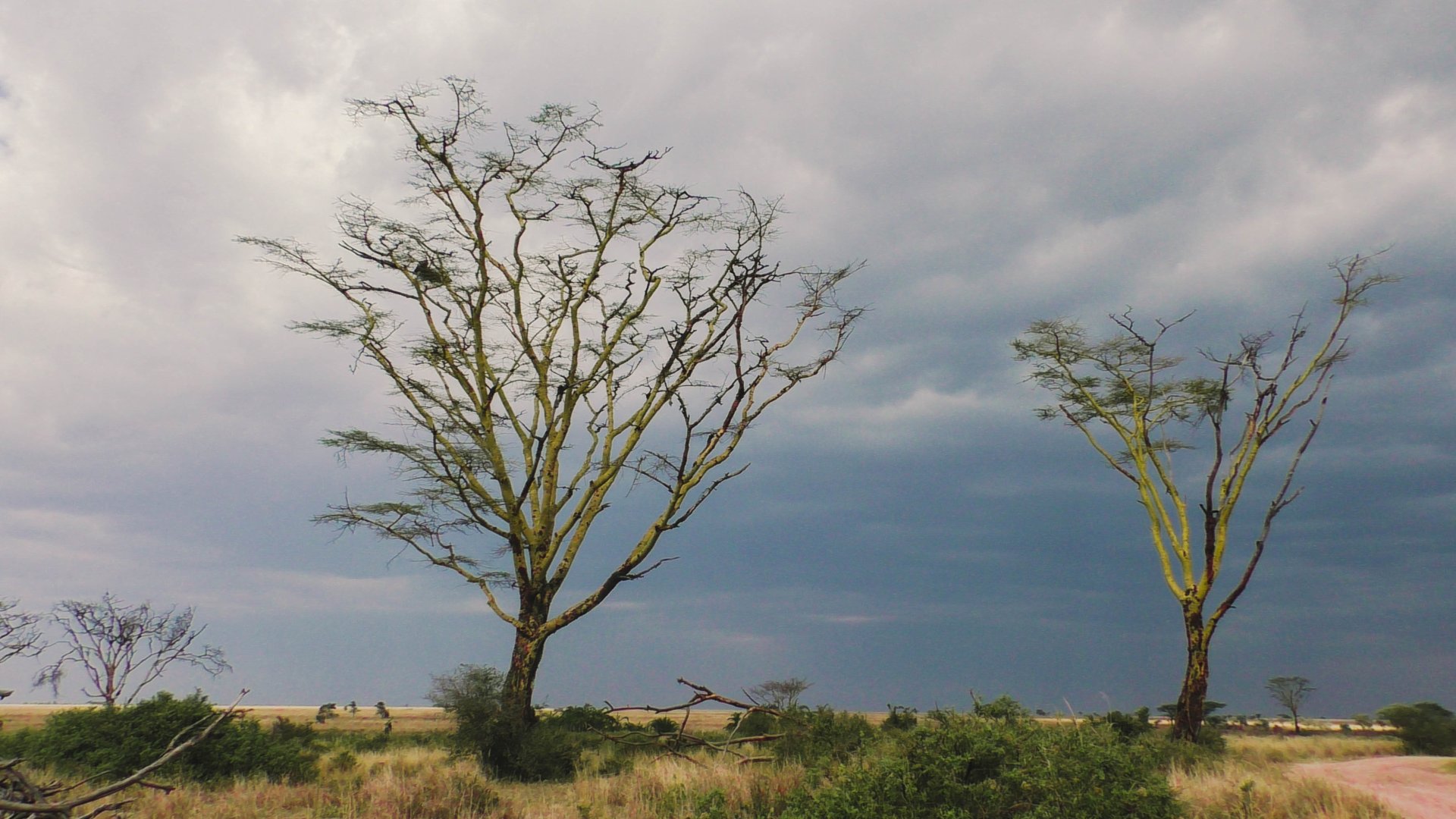
The Serengeti is Tanzania's crown jewel and one of Africa's most iconic safari destinations. Spanning 14,750 square kilometres of endless savannah, acacia-dotted plains, and kopje-studded grasslands, it supports the highest concentration of large mammals on the planet.
The park's name derives from the Maasai word siringet, meaning "the place where the land runs on forever" — and standing on the Serengeti plains, you understand why. The landscape stretches to every horizon, alive with predator-prey drama that has played out for millennia.
Beyond the Great Migration, the Serengeti delivers year-round exceptional game viewing. The southern plains host massive wildebeest calving from January to March, the central Seronera valley offers permanent big cat sightings, and the northern reaches along the Mara River stage the famous river crossings from July to October.
Whether you choose a luxury tented camp that moves with the Migration or a permanent lodge overlooking the plains, the Serengeti offers a safari experience that is simply unmatched anywhere on Earth.
Safari Tours & Packages in Serengeti National Park
Explore our curated itineraries that include Serengeti National Park.
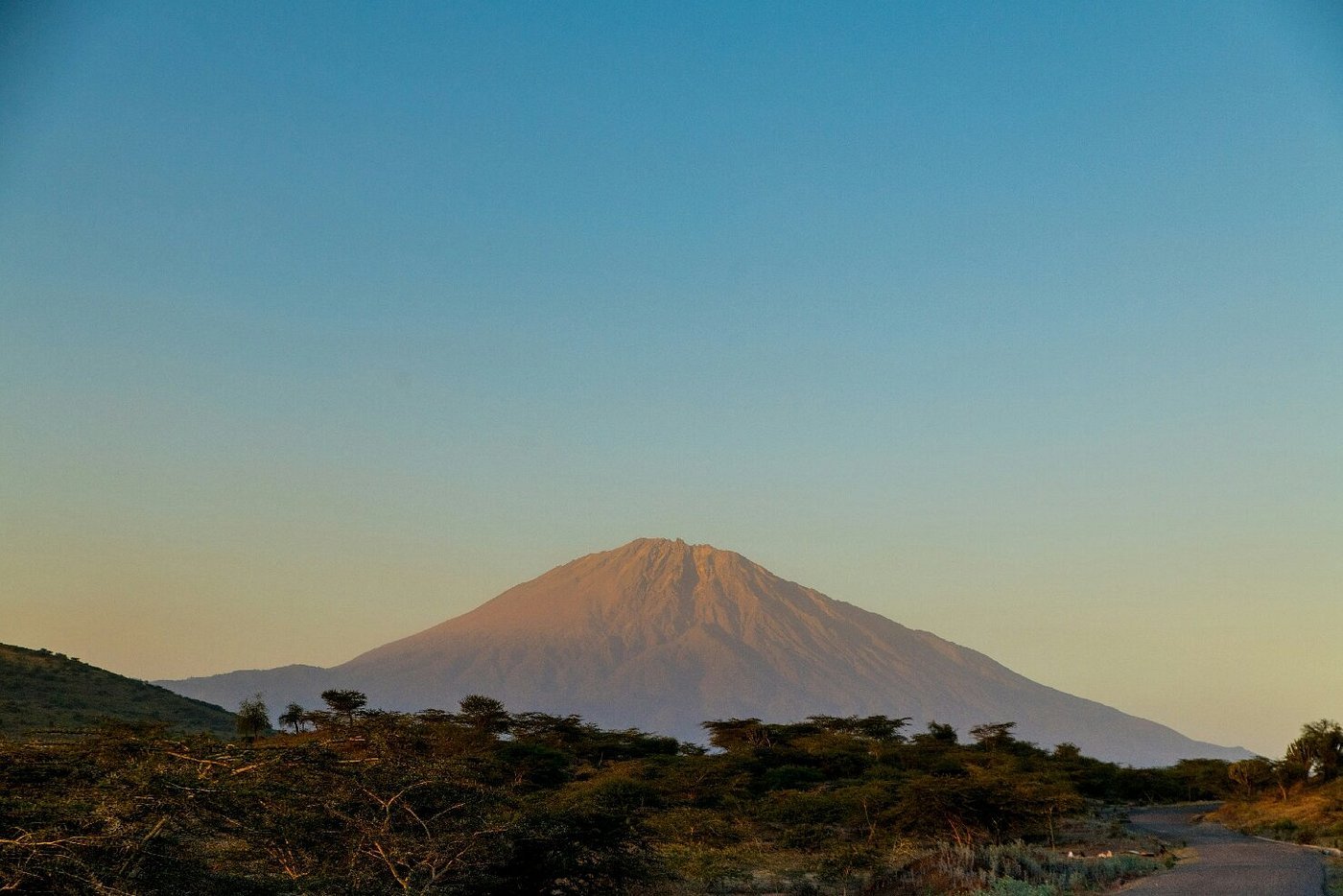
Mount Meru 4-Day Trek
A QUIET MOUNTAIN ADVENTURE WITH A WILDERNESS FEEL Mount Meru is one of Tanzania’s most rewarding mountains, and at 4,566 metres, it offers a serious trekking experience without the crowds you often find on Kilimanjaro.
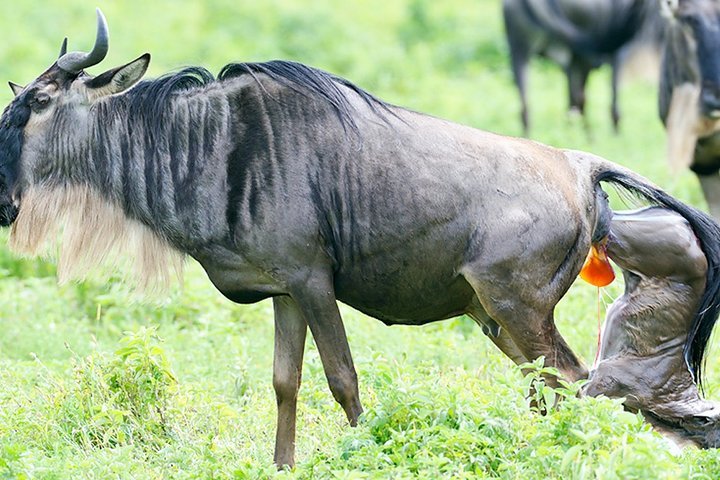
9-Day Luxury Tanzania Ndutu Calving Season Safari
A 9-day luxury safari through Tarangire, Ngorongoro Crater, Ndutu, and the Serengeti, featuring handpicked luxury lodges and tented camps, exceptional wildlife encounters, and an unforgettable hot-air balloon safari over the African plains.
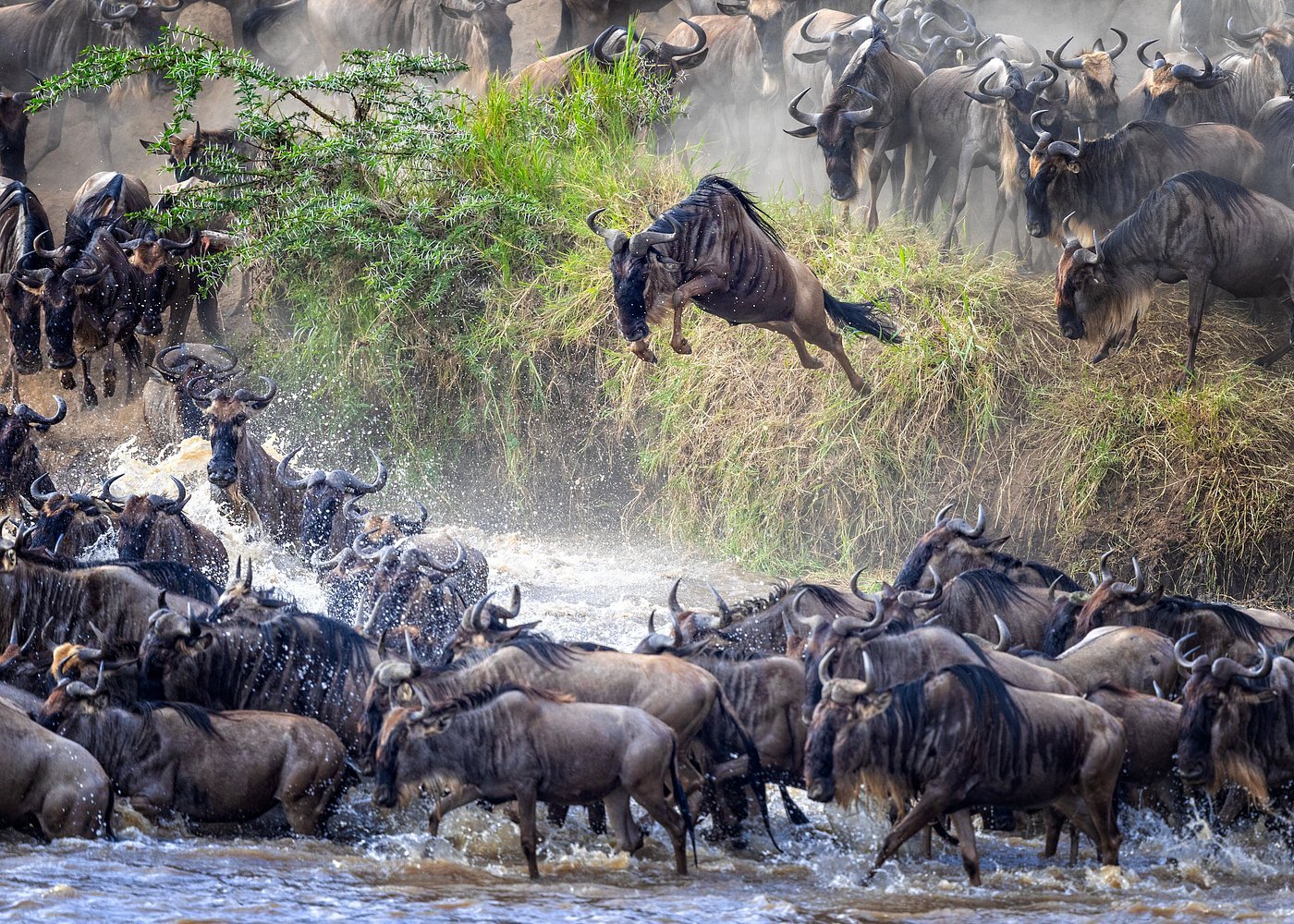
7-Day Tanzania Safari: Serengeti, Ngorongoro & Tarangire
The fly-in connection to the Serengeti saves valuable safari time, while private game drives give you the flexibility to spend more time with wildlife. Combining Serengeti, Ngorongoro and Tarangire also gives you three distinctly different safari environments within one carefully paced journey. Whether you are celebrating a special occasion, planning a luxury family holiday or simply looking for an exceptional African safari, this itinerary offers an immersive introduction to Northern Tanzania.
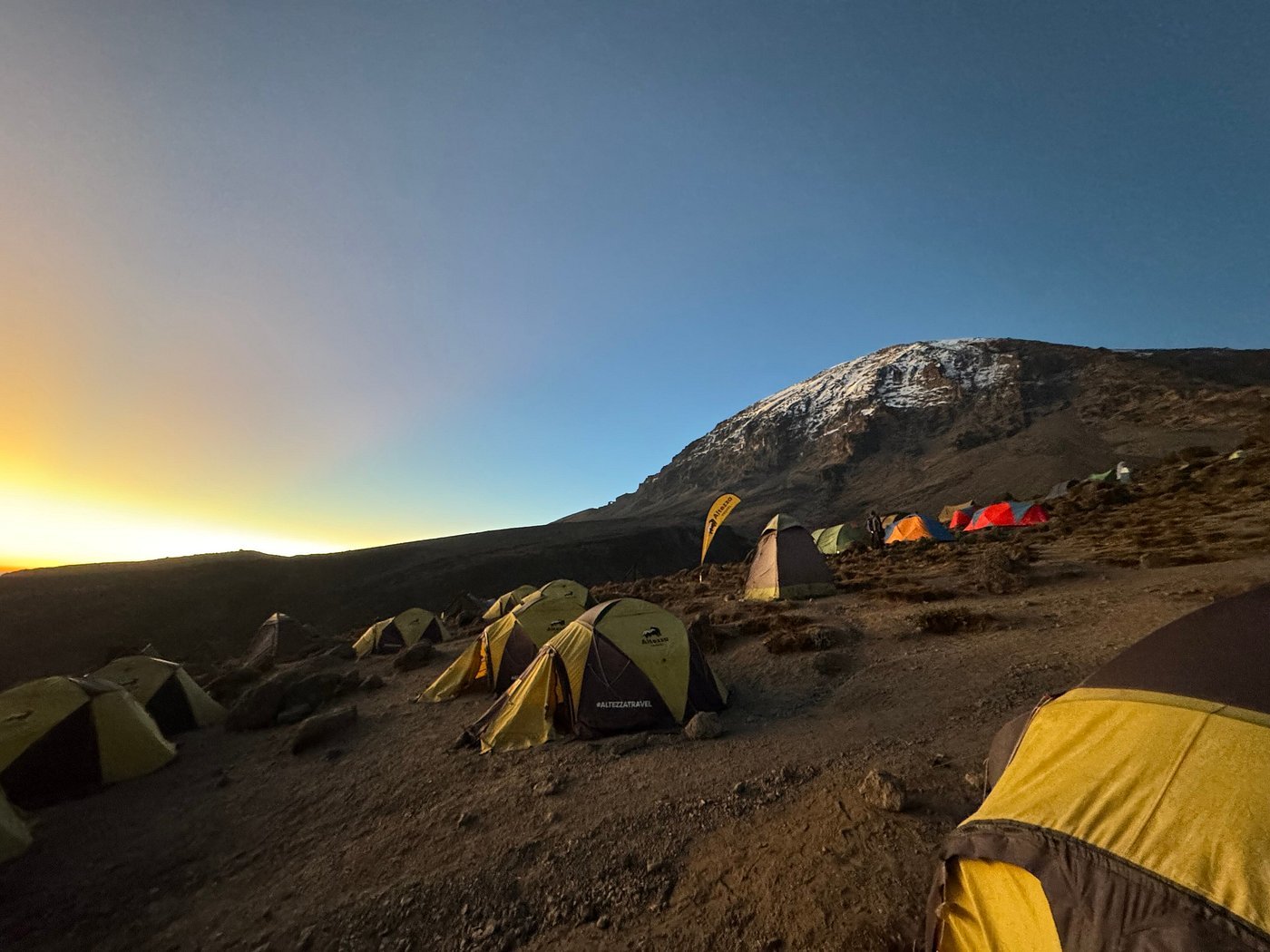
21 Days Kilimanjaro, Safari & Zanzibar
One trip, three sides of Tanzania — a full climb up the Machame Route, a Northern Circuit safari through Tarangire, Serengeti, and Ngorongoro, and six nights to unwind on Zanzibar. Tailor-made, and run start to finish by our own team.
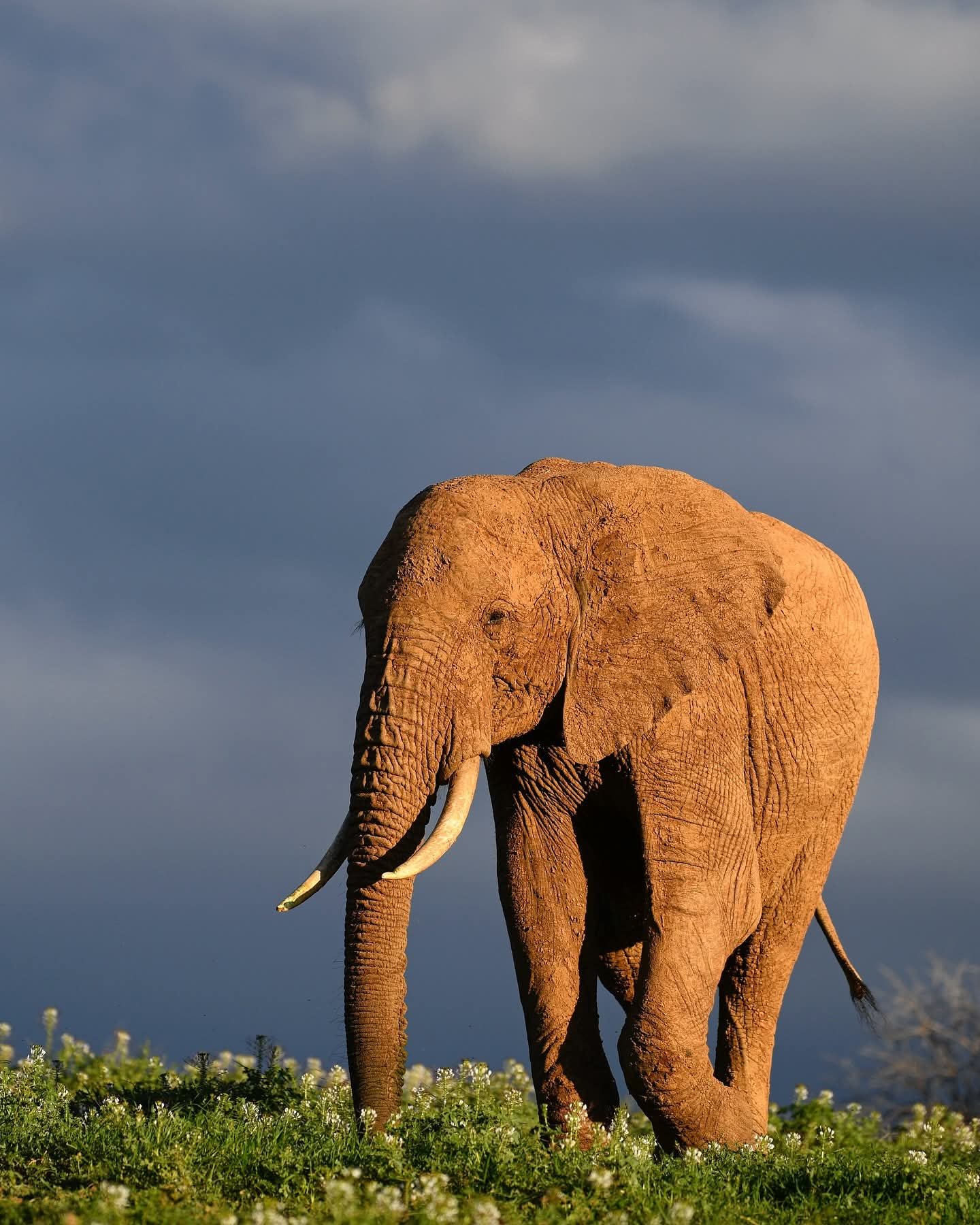
7-Day Southern Tanzania Safari
Mikumi National Park, Ruaha National Park & Udzungwa Mountains National Park:- Southern Tanzania offers a more exclusive safari experience with fewer vehicles, vast wilderness, and exceptional wildlife viewing. This itinerary combines classic game drives with rainforest hiking, making it perfect for nature lovers, photographers, adventure seekers, and returning visitors looking to explore a different side of Tanzania.
5 Days Tanzania Safari Package | Northern Circuit
Discover Tanzania’s wildlife on a 5-day Northern Circuit safari with Explore Jambo Maasai. Experience exciting game drives in Tarangire National Park, Serengeti National Park, and Ngorongoro Crater, with expert local guides and unforgettable African landscapes.
Wildlife & What You'll See
The Serengeti is home to the Big Five — lion, leopard, elephant, buffalo, and rhinoceros. It boasts Africa's largest lion population (over 3,000) and is one of the best places on Earth to observe cheetah and leopard in the wild.
During the Great Migration, over 1.5 million wildebeest, 400,000 zebra, and 200,000 Thomson's gazelle make their circular journey through the ecosystem. Resident wildlife includes giraffe, hippo, crocodile, hyena, African wild dog, and over 500 bird species.
How to Get There
The Serengeti is accessed via Seronera Airstrip (a 1-hour flight from Arusha) or by road from Arusha (approximately 8 hours via the Ngorongoro Conservation Area). Charter flights from Arusha, Kilimanjaro International Airport, or Zanzibar land at multiple airstrips positioned near popular camps.
Most visitors combine the Serengeti with Ngorongoro Crater as part of a Northern Circuit safari, typically starting from Arusha — Tanzania's safari capital.
Park Fees & Regulations
Park entry fees are $82.60 per adult per 24 hours (non-resident). Children aged 5–15 pay $23.60. Vehicle fees and concession fees apply separately. Your safari operator typically includes all park fees in the package price.