Safety has become the first question every traveller asks.
"A truly great adventure is one where every decision — visible or invisible — has already been made in your favour before you arrive."
The world has changed. Travellers today — whether planning a Kilimanjaro summit, a Serengeti safari, or a Zanzibar beach week — are making operator decisions based on demonstrated safety competence before they look at the itinerary or the price. This is not fear. It is wisdom.
At Explore Jambo Maasai, we have always built safety into the structure of every product we offer. This page exists to make the invisible visible — to show you, in plain language, exactly what we do before, during, and after every journey to keep you safe across three very different Tanzania environments.
The mountain, the savannah, and the ocean each carry their own risks. Each requires its own expertise. Our guides, drivers, and camp teams are trained specifically for the environment they operate in. Safety at Explore Jambo Maasai is not a checklist — it is a culture.
Read through each chapter below. Ask us anything you don't see here. We would rather spend an hour answering your safety questions than have you travel with any doubt in your mind.
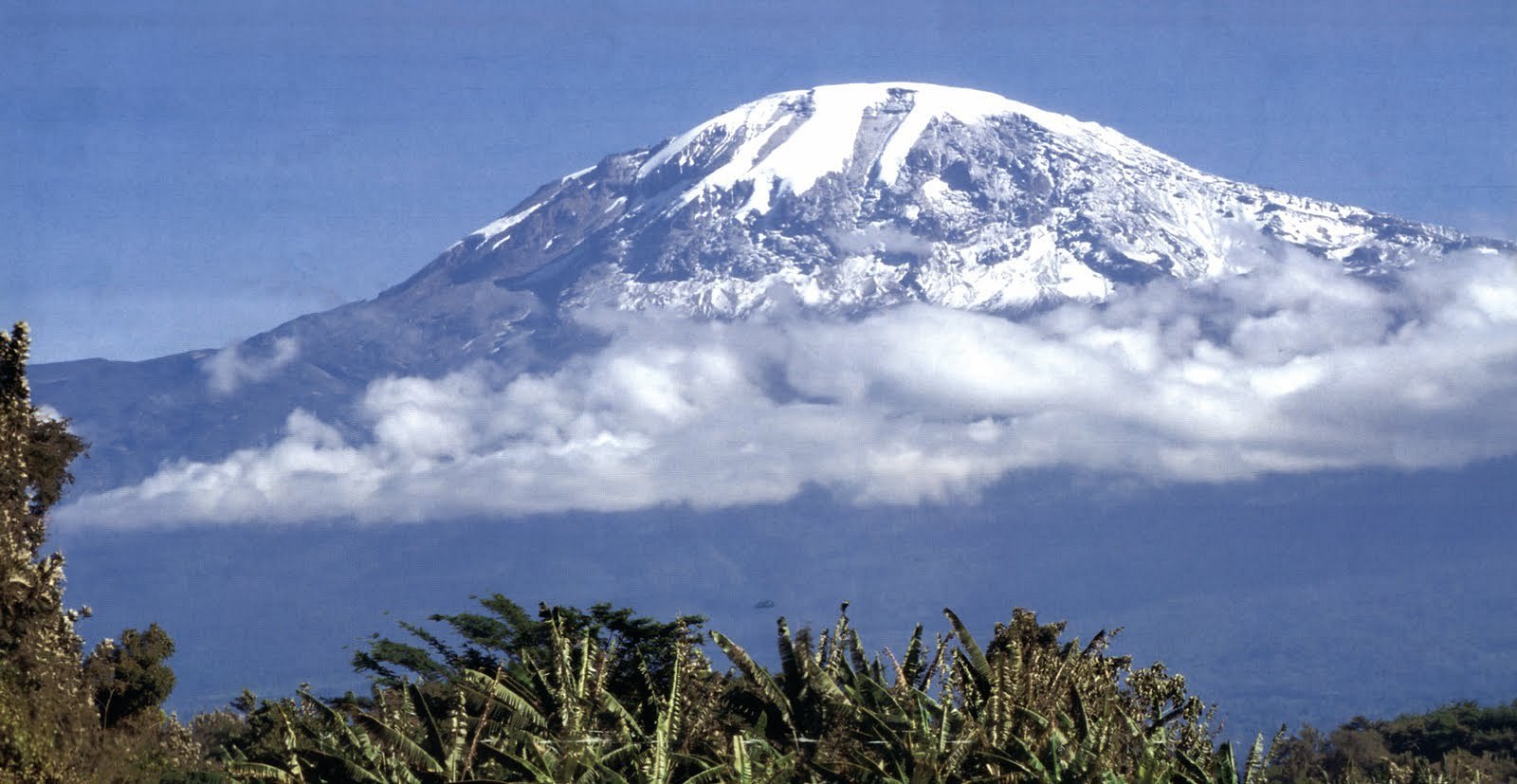
Safety on Mount Meru & Mount Kilimanjaro
Climbing a mountain above 4,500 metres is a serious physiological challenge. Our job is to make that challenge safe, manageable, and ultimately triumphant — through the right preparation, the right guides, and the right decisions at every altitude.
What We Do to Keep You Safe on the Mountain
TANAPA & KINAPA Certified Guides
Every EJM mountain guide holds certification from the Tanzania National Parks Authority and the Kilimanjaro National Park Authority. Our lead guides average 8+ years of active climbing experience on these specific peaks.
- Wilderness First Aid certified — all lead guides
- Altitude physiology training and AMS recognition
- KINAPA rescue and evacuation protocol qualified
- Ongoing annual performance reviews with park rangers
Continuous Health Monitoring
Our guides do not just watch — they measure. Pulse oximeters are used twice daily above 3,500 metres. Oxygen saturation readings are logged and compared to your baseline from Day 1. Any downward trend triggers a protocol review immediately.
- Pulse oximetry twice daily above 3,500 m
- Hydration, appetite, and sleep were assessed every evening
- AMS symptom checklist completed before each ascent day
- Emergency oxygen is carried on all climbs above 5,000 m
Acclimatization Route Design
The single most important safety variable on any high-altitude climb is acclimatisation. EJM defaults to routes and pacing strategies that maximise your body's adaptation time — sacrificing speed for summit probability.
- Machame Route: "climb high, sleep low" Day 3 built-in
- Lemosho & Northern Circuit for highest-risk clients
- Mount Meru as a pre-Kilimanjaro acclimatiser (highly recommended)
- Never rushed — pace set by slowest team member
Communication & Rescue Access
No guide in our mountain team operates without a working satellite phone and VHF radio. We maintain live contact with our Arusha operations office and KINAPA rescue services throughout every climb.
- Satellite phone on every climb — no dead zones
- KINAPA mountain rescue contact pre-loaded and tested
- AMREF Flying Doctors agreement covers evacuation
- The stretcher and evacuation frame were carried from Camp 2 onward
Summit Night Decision Authority
Summit night is the highest-risk moment of any climb. Our guides have absolute authority to turn any client around — without discussion, without guilt — if physiological signs indicate that continuing is unsafe. This authority is non-negotiable.
- Guide decision on the summit turn is final and unchallengeable
- Pre-climb contract includes turn-around agreement
- Clients briefed on this at the Arusha meet-and-brief
- Summit-night assessment done at Stella Point (5,756 m) before Uhuru
Porter Welfare & Team Safety
A safe climb depends on a safe team. KPAP certification means our porters carry legal load limits (max 20 kg), wear proper cold-weather gear provided by EJM, are paid above the KPAP minimum wage, and have their own health monitored during the climb.
- Porter load strictly ≤20 kg — weighed at gate
- Cold-weather clothing provided by EJM at no cost to porters
- Porter's health is assessed alongside guests each evening
- All wages paid directly — no third-party withholding
Understanding Altitude Sickness — and how we respond to it
Acute Mountain Sickness (AMS) is the primary health risk on Kilimanjaro and Meru. It is caused by reduced oxygen availability at altitude and can affect anyone — regardless of fitness level, age, or prior climbing experience. Knowing the signs and having a prepared team is what separates a safe operation from a dangerous one.
Explore Jambo Maasai guides are trained to recognise AMS at every stage — mild, moderate, and severe — and to act immediately when symptoms present. The rule is simple: if in doubt, descend. Altitude will always be there tomorrow. The window to correct severe AMS closes fast.
1: Mild AMS — Recognised and Managed
Headache, fatigue, mild nausea, poor sleep. Our guides identify these symptoms at the evening check-in. Response: no further ascent until resolved, increased hydration, optional Diamox (discussed with client pre-climb), close overnight monitoring.
2: Moderate AMS — Immediate Protocol Triggered
Severe persistent headache, vomiting, extreme fatigue, breathlessness at rest. This triggers an immediate escalation: supplemental oxygen administered, descent to lower camp initiated the same day, the guide notifies Arusha operations office and KINAPA.
3: Severe AMS / HACE / HAPE — Emergency Response
Confusion, loss of coordination, gurgling breathing (HAPE), or altered consciousness (HACE) are medical emergencies. EJM protocol: emergency oxygen administered, client placed in Gamow bag if available, immediate descent by any means — carried if necessary — and AMREF evacuation requested simultaneously.
4: Weather Deterioration — Turn-Around Authority
Extreme cold, whiteout conditions, or lightning at summit altitude trigger automatic retreat to a lower camp. The summit will be there another day. No Explore Jambo Maasai guide has ever been pressured to continue climbing in dangerous weather conditions — and none ever will be.