
Pemba Island — Upload image in admin
Zanzibar (Pemba)

Pemba Island

The "Green Island" ÔÇö vertiginous clove plantations, world-class diving, and an untouched Swahili culture beyond the tourist trail.

Best time: June to October (best diving visibility), October to March (warmer, whale shark season nearby)

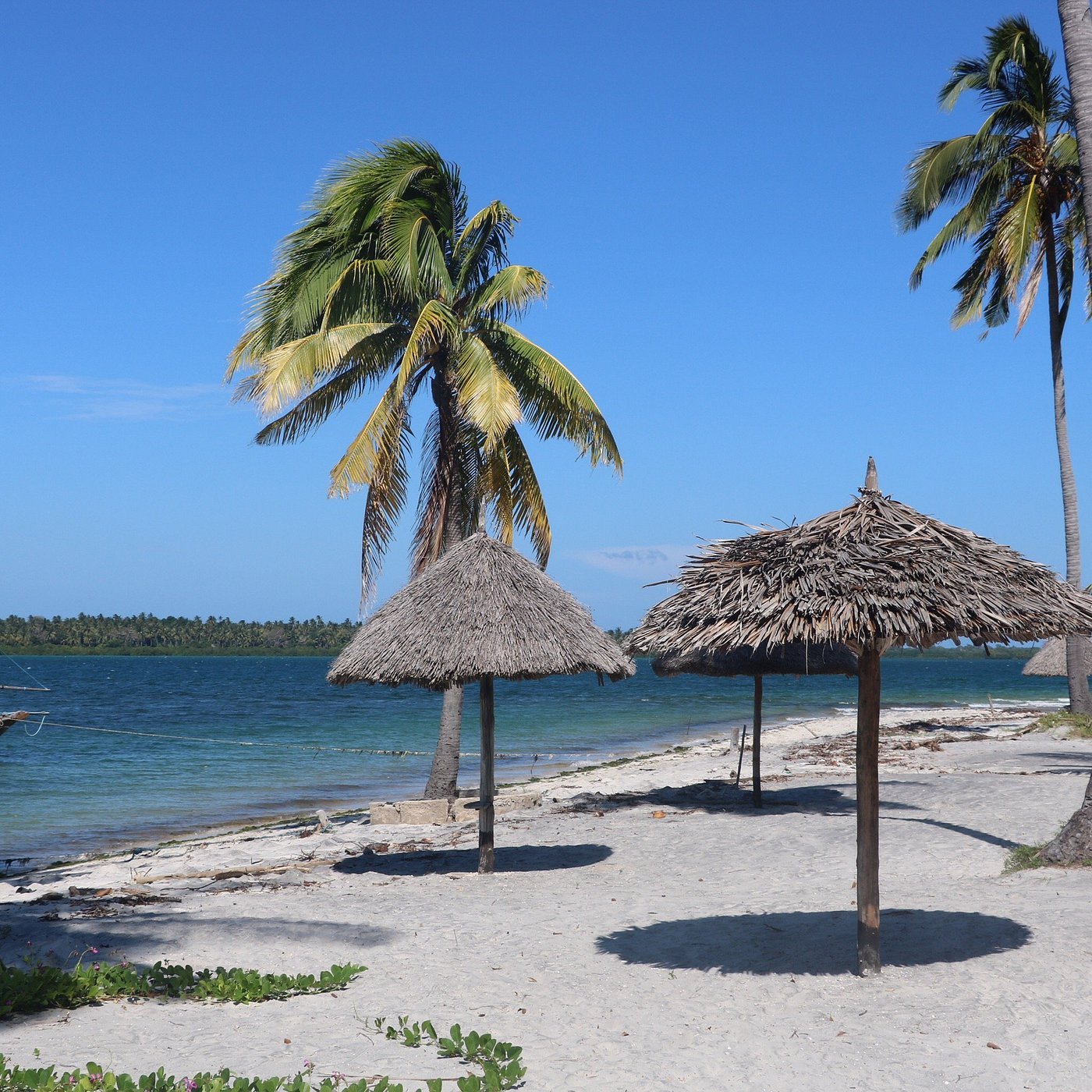
Pemba Island is Zanzibar's quieter, wilder, and arguably more beautiful sister island. Known as "Al Jazeera Al Khadra" (The Green Island) for its lush, hilly terrain of clove plantations, tropical forest, and mangrove channels, Pemba offers an experience that Zanzibar's main island increasingly cannot ÔÇö genuine, unspoilt island life.

Pemba's underwater world is its greatest treasure. The Pemba Channel ÔÇö a 50-kilometre-wide, 800-metre-deep strait between the island and the mainland ÔÇö creates conditions that support some of the most spectacular diving in the Indian Ocean. The channel's deep waters bring nutrient-rich currents that feed pristine coral walls, attracting pelagic species rarely seen on shallower reefs.

On land, Pemba moves at its own pace. The island produces over 70% of Zanzibar's cloves, and the scent of drying cloves permeates villages and forests. The Ngezi Forest Reserve protects one of the last remnants of indigenous coastal forest, home to the endemic Pemba flying fox ÔÇö one of the world's largest fruit bats.

Pemba is not for everyone ÔÇö infrastructure is basic, roads are rough, and nightlife is nonexistent. But for divers, nature lovers, and travellers who prefer authenticity over amenities, Pemba is an island revelation.

Safari Tours in Pemba Island

Custom Safari Available

Pemba Island can be included in any of our tailor-made safari itineraries. Tell us your dates and interests, and our team will design the perfect trip.

Request a Custom Itinerary

Wildlife & What You'll See

Pemba's marine environment is outstanding. The deep Pemba Channel supports pelagic species including manta rays, eagle rays, hammerhead sharks, and barracuda. Napoleon wrasse, giant groupers, and diverse reef fish populate the walls and drop-offs. Coral cover is excellent, with both hard and soft corals in vibrant condition.

On land, the endemic Pemba flying fox (a large fruit bat with a 1.5-metre wingspan) roosts in the Ngezi and Msitu Mkuu forests. The Pemba white-eye, Pemba scops owl, and Pemba sunbird are endemic bird species. Green turtles nest on the island's western beaches. The mangrove channels support diverse marine and bird life.

How to Get There

Pemba is reached by scheduled flights from Dar es Salaam (1 hour) or Zanzibar (20 minutes) via Pemba's Karume Airport. A fast ferry from Zanzibar takes approximately 2.5 hours. Flights are the most practical option. Internal island transport is by car or motorcycle ÔÇö roads are improving but remain rough in places.

Park Fees & Regulations

There are no blanket tourist entry fees for Pemba. Ngezi Forest Reserve entry is approximately $10 per adult. Dive operators charge separately for equipment and guided dives. Accommodation ranges from simple guesthouses to a handful of luxury lodges. Pemba remains one of East Africa's most affordable island destinations.

Frequently Asked Questions

How does Pemba diving compare to other Indian Ocean destinations?
Pemba offers some of the best wall diving in the Indian Ocean. The Pemba Channel's depth (800 metres) creates dramatic drop-offs, strong currents bringing pelagic species, and pristine coral cover. Visibility regularly exceeds 30 metres. It is considered superior to Zanzibar for experienced divers and comparable to the Maldives for reef quality.
Is Pemba too remote for a comfortable visit?
Pemba has a small number of quality lodges ranging from comfortable to luxury, plus scheduled daily flights from Zanzibar and Dar es Salaam. It is remote by Zanzibar standards, but perfectly accessible and comfortable for adventurous travellers. Roads on the island are rough but improving. The remoteness is its greatest appeal.
Can I combine Pemba with Zanzibar?
Yes ÔÇö this is an ideal combination. Fly from Zanzibar to Pemba (20 minutes) for world-class diving and island seclusion, then return to Zanzibar for Stone Town culture and beach nightlife. A typical split is 3-4 nights Pemba, 2-3 nights Zanzibar.
Stay in the loop

Safari tips, seasonal deals & trip inspiration

Join 2,400+ travellers who get our monthly dispatch. No spam — just the good stuff.

Plan Your Safari

Tell us your dream trip — our Arusha team will craft a bespoke itinerary within 6 hours.

1 Where
2 Style
3 When
4 You
Step 1 of 4

Where do you want to go?

Serengeti National Park Home to the Great Migration — over two million ...
Ngorongoro Crater The world's largest intact volcanic caldera — a...
Mount Kilimanjaro Africa's highest peak at 5,895 metres — a bucke...
Zanzibar Archipelago Turquoise waters, white sand beaches, and Stone...
Tarangire National Park Ancient baobab trees and the largest elephant h...
Lake Manyara National Park A compact jewel where tree-climbing lions loung...
Nyerere National Park Africa's largest national park — a wild, remote...
Ruaha National Park Tanzania's largest mainland national park — a r...
Arusha National Park A compact highland gem at the foot of Mount Mer...
Lake Natron A surreal, Mars-like landscape of crimson alkal...
Mikumi National Park Tanzania's most accessible Southern Circuit par...
Katavi National Park One of Africa's last untouched wilderness front...
Mahale Mountains National Park Wild chimpanzees in a tropical paradise ÔÇö tre...
Gombe Stream National Park Where Jane Goodall changed our understanding of...
Saadani National Park The only national park in East Africa where the...
Udzungwa Mountains National Park The "Galapagos of Africa" ÔÇö ancient rainfores...
Mkomazi National Park A resurgent wilderness at the foot of the Usamb...
Kitulo National Park The "Serengeti of Flowers" ÔÇö a highland plate...
Mafia Island Marine Park East Africa's finest marine park ÔÇö swim with ...
Pemba Island The "Green Island" ÔÇö vertiginous clove planta...
Not sure yet Help me decide