

Mahale Mountains National Park — Upload image in admin
Kigoma Region

Mahale Mountains National Park

Wild chimpanzees in a tropical paradise ÔÇö trek through rainforest to meet habituated chimps on the pristine shores of Lake Tanganyika.

Best time: May to October (dry season, best chimp trekking conditions), July to October (peak season)

Mahale Mountains National Park is one of Africa's most extraordinary and least accessible destinations. Located on the remote eastern shore of Lake Tanganyika, this 1,613 square kilometre park protects one of the last remaining wild chimpanzee populations in Tanzania ÔÇö approximately 900 individuals spread across the forested mountains.

The park's centrepiece is the habituated M-group of chimpanzees, studied by Japanese researchers since 1965 ÔÇö making it one of the longest-running primate research projects in the world. Trekking through the montane rainforest to sit with these wild chimps as they forage, groom, play, and display is one of the most powerful wildlife encounters available anywhere on Earth.

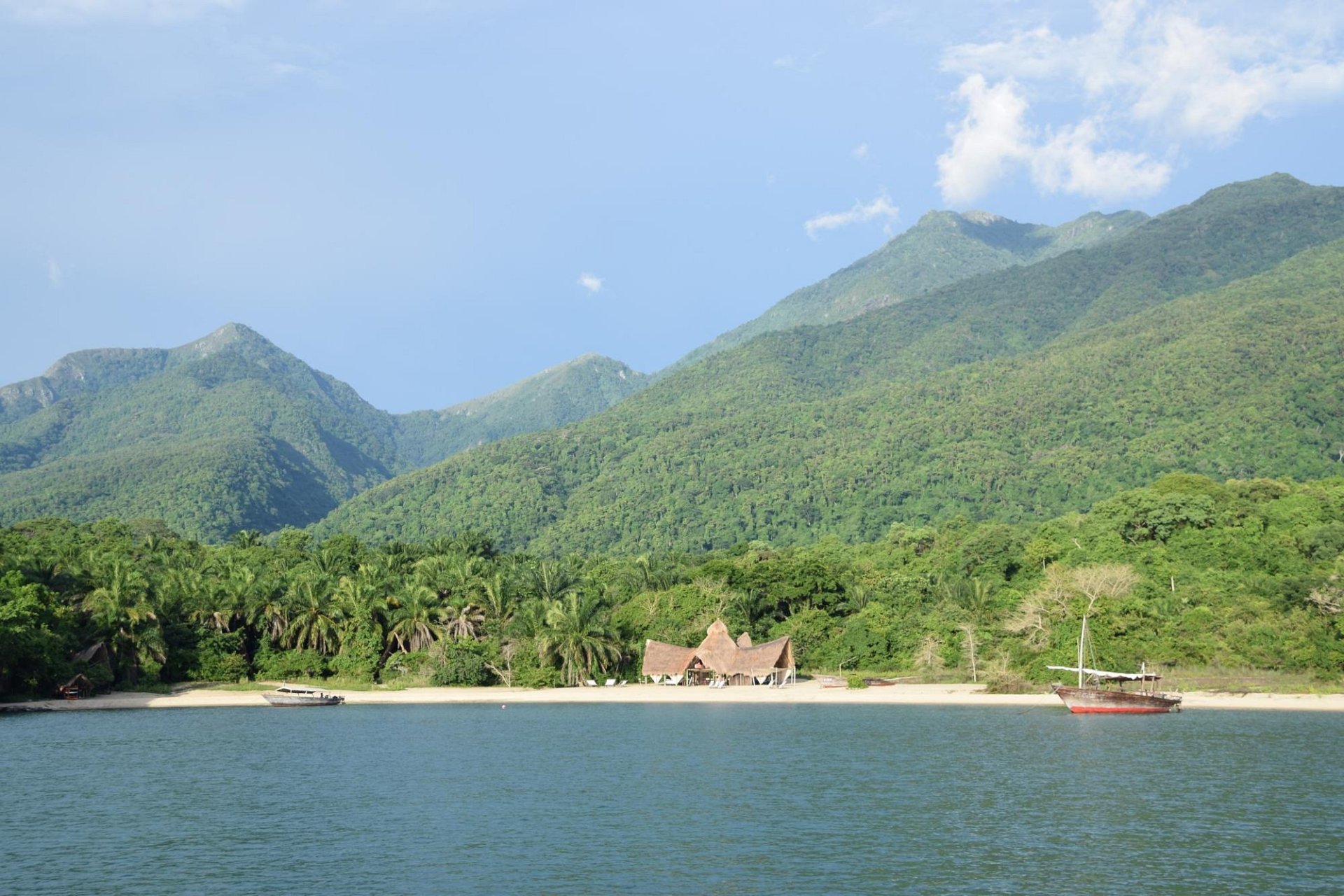
Mahale's setting is breathtaking. The Mahale Mountains rise to 2,462 metres directly from the crystal-clear waters of Lake Tanganyika ÔÇö the world's second-deepest lake. The combination of tropical forest, mountain peaks, sandy beaches, and the vast inland sea creates a landscape unlike anything else in Tanzania.

After morning chimp trekking, afternoons are spent swimming in the lake, kayaking, or snorkelling among the lake's remarkably diverse cichlid fish ÔÇö a perfect blend of adventure and relaxation.

Safari Tours in Mahale Mountains National Park

Custom Safari Available

Mahale Mountains National Park can be included in any of our tailor-made safari itineraries. Tell us your dates and interests, and our team will design the perfect trip.

Request a Custom Itinerary

Wildlife & What You'll See

Mahale is home to approximately 900 wild chimpanzees ÔÇö the M-group of around 60 habituated individuals can be visited by tourists. The chimps share the forest with red colobus monkeys, red-tailed monkeys, blue monkeys, and Angola colobus monkeys ÔÇö eight primate species in total.

The forest also shelters bushpig, blue duiker, brush-tailed porcupine, and giant forest squirrel. Lake Tanganyika's waters contain over 250 species of cichlid fish, many found nowhere else on Earth. Birdlife is rich with forest specialists, palm-nut vultures, and African fish eagles along the shoreline.

How to Get There

Mahale is reached by a combination of scheduled flight from Dar es Salaam or Arusha to Mahale airstrip (approximately 3 hours), followed by a boat transfer along Lake Tanganyika to the park. There are no roads into Mahale ÔÇö the park is entirely roadless. This remoteness is part of the magic.

Park Fees & Regulations

Park entry fees are $82.60 per adult per 24 hours (non-resident). Chimpanzee trekking permits are $100 per person per trek. Only 12 visitors per day are permitted to visit the chimps, making advance booking essential.

Frequently Asked Questions

How close can I get to the chimpanzees?
Park rules require a minimum distance of 10 metres from the chimps. In practice, habituated chimps sometimes approach closer on their own terms. Trekking groups are limited to 6 visitors, and you are allowed 1 hour with the chimps once found. Masks must be worn to prevent disease transmission.
How difficult is the chimp trekking at Mahale?
Moderate to challenging. The terrain is steep and forested ÔÇö expect to scramble up slopes, cross streams, and push through vegetation. Treks typically last 2ÔÇô6 hours depending on where the chimps are. A reasonable level of fitness is required. The guides are expert trackers and will set a manageable pace.
Can I combine Mahale with other destinations?
Yes. Mahale combines well with Katavi National Park (also in western Tanzania), creating a remote wilderness circuit. It can also be combined with Gombe Stream for the ultimate chimpanzee experience. Flights connect Mahale to the Northern Circuit or Dar es Salaam for onward travel.
Stay in the loop

Safari tips, seasonal deals & trip inspiration

Join 2,400+ travellers who get our monthly dispatch. No spam — just the good stuff.

Plan Your Safari

Tell us your dream trip — our Arusha team will craft a bespoke itinerary within 6 hours.

1 Where
2 Style
3 When
4 You
Step 1 of 4

Where do you want to go?

Serengeti National Park Home to the Great Migration — over two million ...
Ngorongoro Crater The world's largest intact volcanic caldera — a...
Mount Kilimanjaro Africa's highest peak at 5,895 metres — a bucke...
Zanzibar Archipelago Turquoise waters, white sand beaches, and Stone...
Tarangire National Park Ancient baobab trees and the largest elephant h...
Lake Manyara National Park A compact jewel where tree-climbing lions loung...
Nyerere National Park Africa's largest national park — a wild, remote...
Ruaha National Park Tanzania's largest mainland national park — a r...
Arusha National Park A compact highland gem at the foot of Mount Mer...
Lake Natron A surreal, Mars-like landscape of crimson alkal...
Mikumi National Park Tanzania's most accessible Southern Circuit par...
Katavi National Park One of Africa's last untouched wilderness front...
Mahale Mountains National Park Wild chimpanzees in a tropical paradise ÔÇö tre...
Gombe Stream National Park Where Jane Goodall changed our understanding of...
Saadani National Park The only national park in East Africa where the...
Udzungwa Mountains National Park The "Galapagos of Africa" ÔÇö ancient rainfores...
Mkomazi National Park A resurgent wilderness at the foot of the Usamb...
Kitulo National Park The "Serengeti of Flowers" ÔÇö a highland plate...
Mafia Island Marine Park East Africa's finest marine park ÔÇö swim with ...
Pemba Island The "Green Island" ÔÇö vertiginous clove planta...
Not sure yet Help me decide