
After guiding thousands of guests on safari, we have a clear picture of what people wish they had brought — and what they regret packing. Safari vehicles and bush planes have limited luggage space, so packing smart is essential.
Clothing Essentials
Neutral, earth-toned clothing is the golden rule: khaki, olive, tan, and brown blend with the bush and don't attract insects the way dark blue and black do. Avoid white (gets dirty instantly) and bright colours (can disturb wildlife).
Layer for temperature swings. Early morning game drives can be cold (especially at Ngorongoro's 2,235m elevation), while midday temperatures soar. A warm fleece, a lightweight rain jacket, and convertible trousers cover most conditions.
Must-Have Items
Binoculars: The single most important safari accessory. Even a basic 8x42 pair transforms your experience.
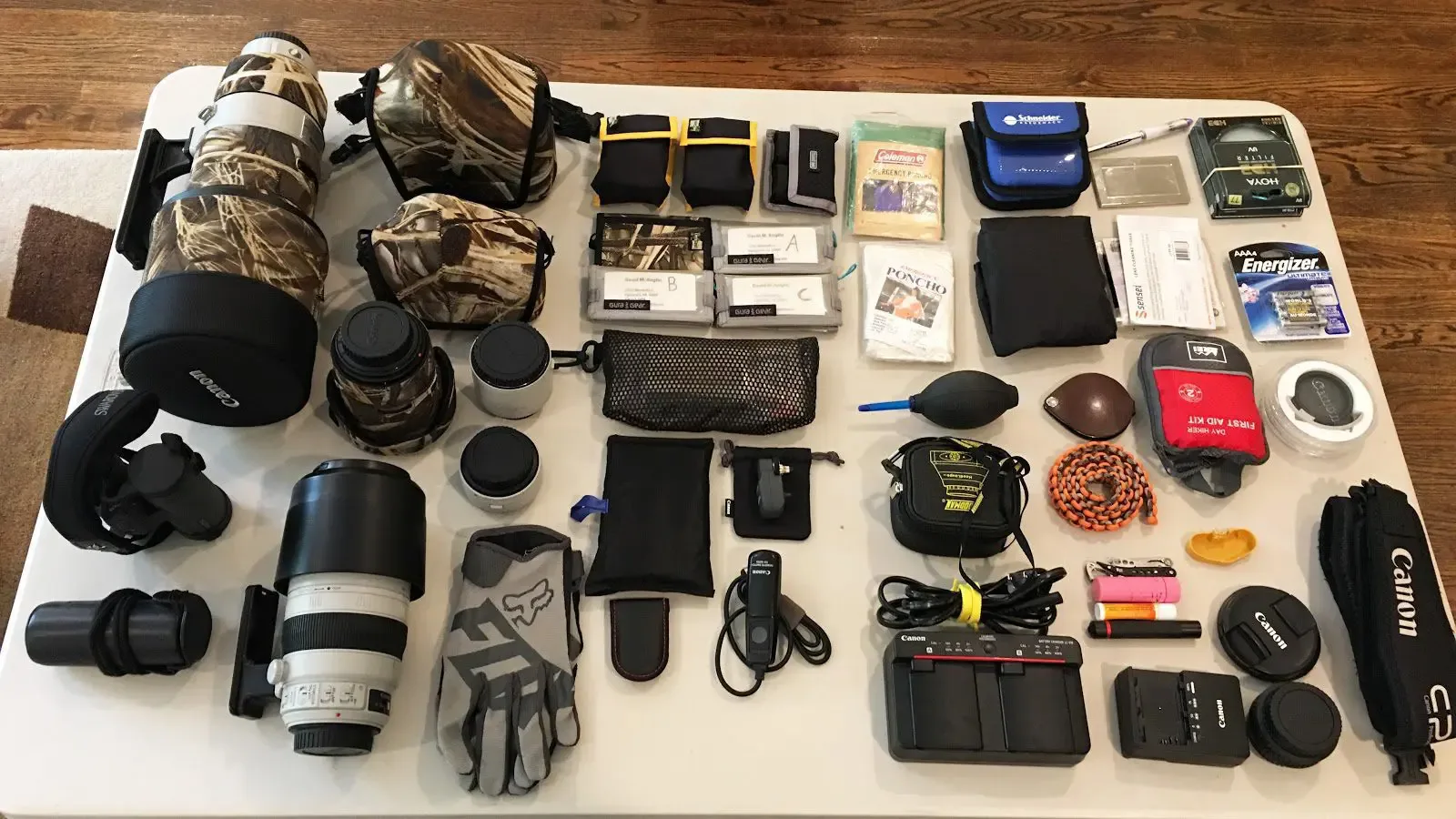
Camera with zoom lens: A 100-400mm range covers most safari situations. Bring extra batteries and memory cards.
Sun protection: High-SPF sunscreen, a wide-brimmed hat, and quality sunglasses are non-negotiable.
Insect repellent: DEET-based repellent for evenings. Long sleeves and trousers at dusk are your first defence.
Headlamp: Essential for early morning starts and camps without constant electricity.
What to Leave Behind
Hard-shell suitcases (soft duffels only for bush planes), excessive clothing changes, bulky toiletries, and anything camouflage-patterned (it is restricted in some East African countries and associated with military).