
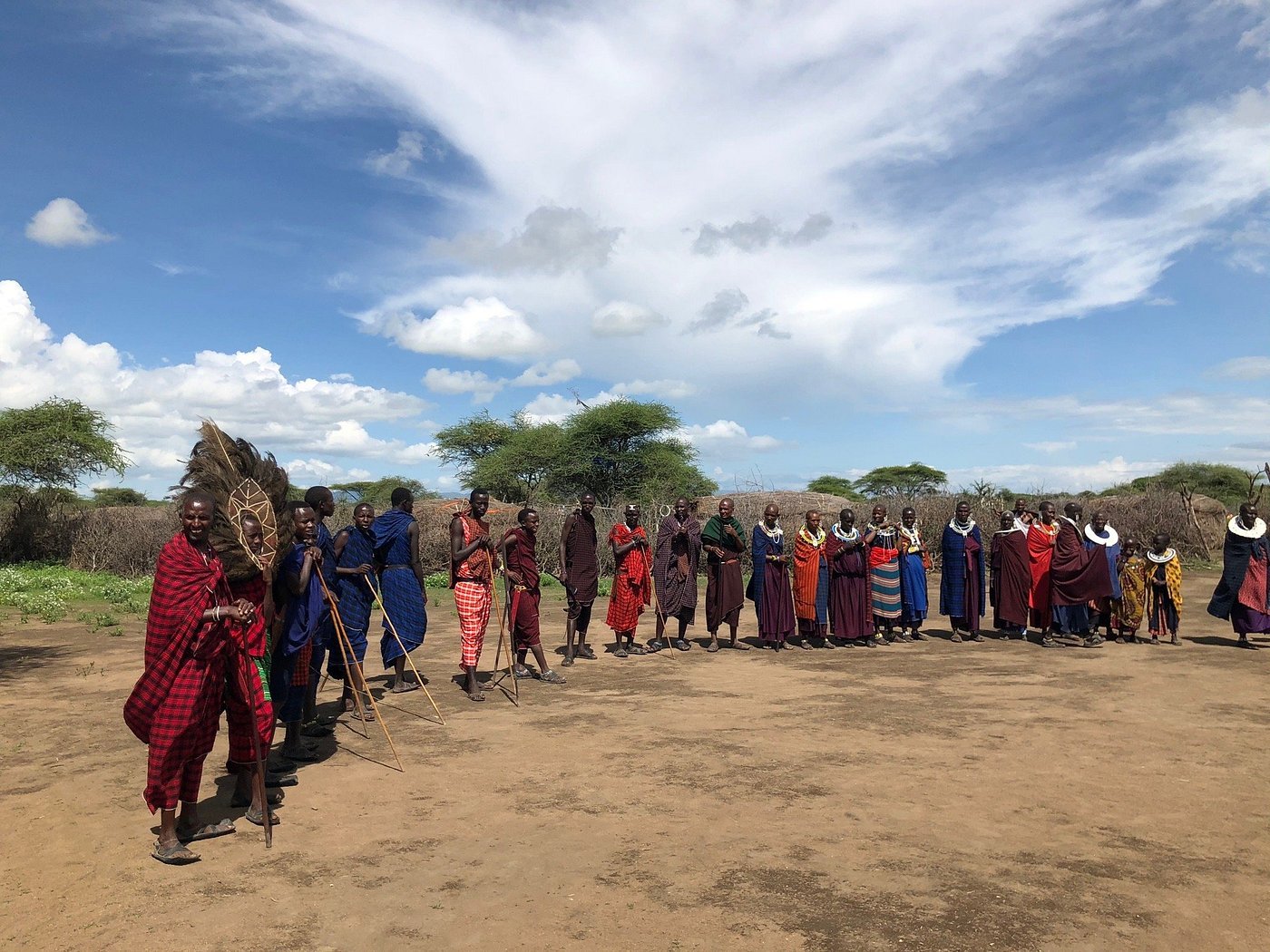
No visit to northern Tanzania is complete without encountering the Maasai. Their tall, proud figures wrapped in red and blue checked shukas are iconic — but the culture beneath the image is far richer and more complex than most visitors realise.
A Pastoral People
The Maasai are semi-nomadic pastoralists whose wealth is measured in cattle. Cattle provide milk, blood (mixed with milk as a traditional drink), and social currency. A man's status is determined by the size of his herd and the number of his children.
Living Alongside Wildlife
The Maasai have coexisted with East Africa's wildlife for centuries. Unlike agricultural communities, their pastoral lifestyle does not require clearing land, which is why the Serengeti and Ngorongoro Conservation Area — Maasai homeland — support such abundant wildlife. The Ngorongoro Conservation Area is unique in Africa: the only protected area where indigenous people live alongside wild animals.
Social Structure
Maasai society is organised by age-sets. Young men progress from junior warriors (morani) to senior warriors, then junior elders and senior elders. Each stage carries specific responsibilities and privileges. Women hold significant domestic authority and are the primary builders of the family boma (homestead).
Visiting Respectfully
When we arrange Maasai cultural visits, we work directly with communities we have relationships with — many of our guides are Maasai-born. Visits are not performances; they are genuine exchanges. Photography etiquette, fair compensation, and cultural sensitivity are always observed.