
Katavi National Park — Upload image in admin
Katavi Region

Katavi National Park

One of Africa's last untouched wilderness frontiers ÔÇö colossal buffalo herds, hippo-choked rivers, and raw safari experiences in Tanzania's remote west.

Best time: July to October (peak dry season, extraordinary wildlife concentrations)

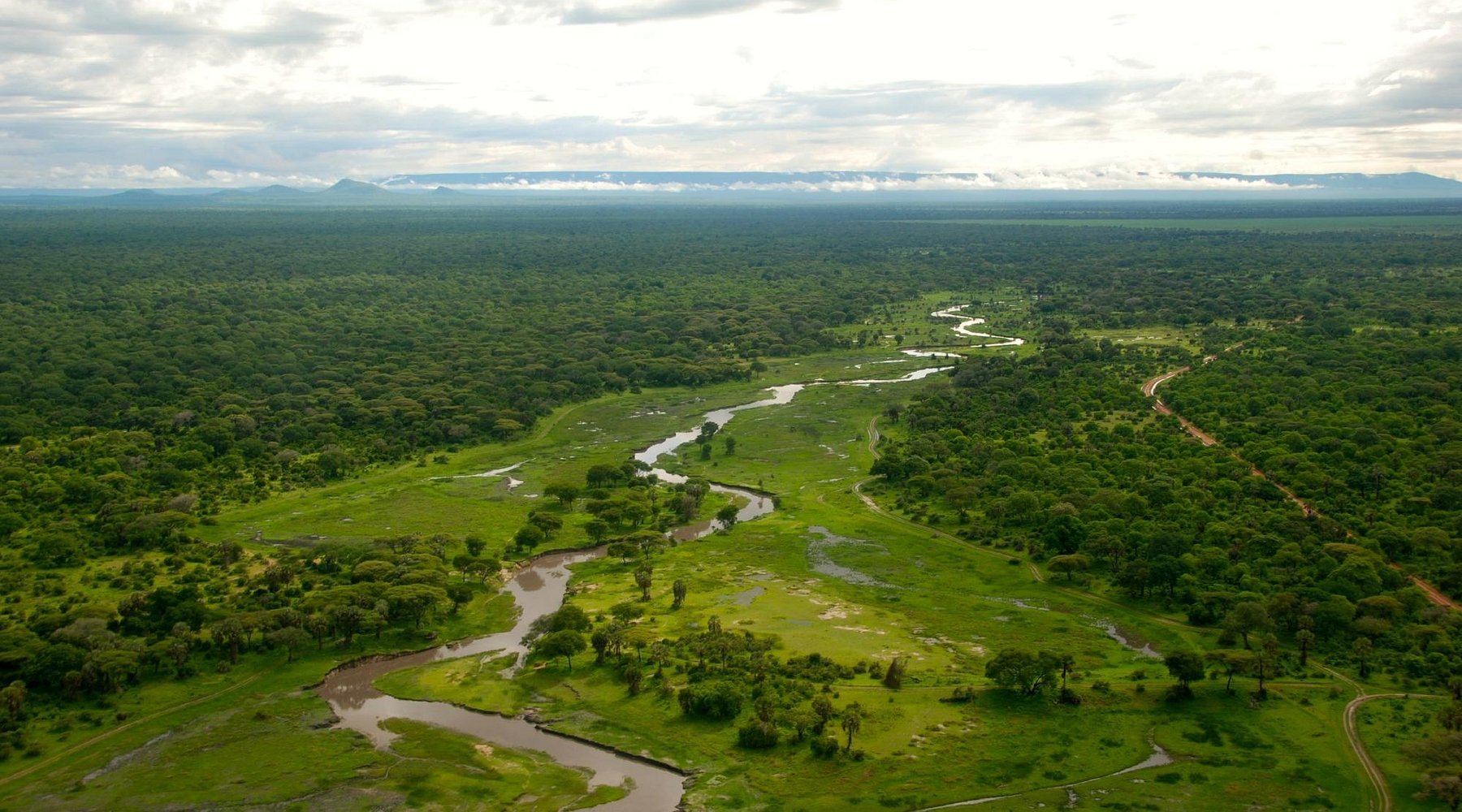
Katavi National Park is Tanzania's third-largest park at 4,471 square kilometres and arguably its wildest. Tucked away in the remote western corner of the country, Katavi is a destination for the true safari purist ÔÇö those who have seen the popular parks and hunger for something raw, unscripted, and genuinely off-grid.

During the dry season, Katavi delivers some of the most staggering wildlife concentrations in Africa. The Katuma River and its seasonal floodplains become the last water source for hundreds of kilometres, drawing thousands upon thousands of animals into a shrinking landscape. Buffalo herds numbering in the thousands ÔÇö sometimes exceeding 10,000 ÔÇö carpet the floodplains. Hundreds of hippos crowd into diminishing pools, their territorial battles reaching fever pitch.

Lions, emboldened by the abundance of prey, become extraordinarily bold. Crocodiles stack up in the remaining pools. The entire ecosystem compresses into a primal drama that few places on Earth can match.

Katavi receives fewer than 500 visitors per year ÔÇö making it one of the least visited national parks in all of Africa. You will almost certainly have the park entirely to yourself.

Safari Tours in Katavi National Park

Custom Safari Available

Katavi National Park can be included in any of our tailor-made safari itineraries. Tell us your dates and interests, and our team will design the perfect trip.

Request a Custom Itinerary

Wildlife & What You'll See

Katavi's dry season wildlife spectacles are legendary. Buffalo herds of 5,000ÔÇô10,000+ are regularly recorded ÔÇö among the largest gatherings of any single species anywhere in Africa. Hippo pods of 200+ crowd into shrinking pools, creating chaotic, bellowing aggregations.

Lion prides grow large on the abundant prey, and sightings of lions hunting buffalo in broad daylight are remarkably common. Elephant, giraffe, zebra, topi, reedbuck, and roan antelope are present. Crocodile concentrations in the dry season pools are extraordinary. Over 400 bird species have been recorded.

How to Get There

Katavi is accessed by scheduled flights from Dar es Salaam (via Ruaha or direct charters) or from Kigoma. The flight takes approximately 3 hours from Dar. Road access is extremely challenging and not recommended for most visitors ÔÇö the journey from Mbeya takes 10+ hours on rough tracks. Flying in is essential.

Park Fees & Regulations

Park entry fees are $53.10 per adult per 24 hours (non-resident). Walking safari fees apply separately. The limited infrastructure keeps costs moderate, but the exclusivity and remoteness mean that lodge rates reflect the logistics of operating in such a remote location.

Frequently Asked Questions

How remote is Katavi really?
Very. Katavi receives fewer than 500 visitors per year. There are only a handful of camps, no paved roads within or near the park, and you will routinely go entire game drives without seeing another vehicle. This is genuine, old-Africa wilderness ÔÇö not for those who need reliable Wi-Fi or room service.
When is the best time to visit Katavi?
The dry season from July to October is essential. This is when the extraordinary wildlife concentrations occur along the shrinking Katuma River. During the wet season (NovemberÔÇôMay), many camps close, roads become impassable, and animals disperse over vast areas. If visiting Katavi, come in the dry season ÔÇö the timing is critical.
Is Katavi worth the effort to get there?
For experienced safari-goers, absolutely yes. Katavi delivers wildlife spectacles that rival anywhere in Africa ÔÇö 10,000-strong buffalo herds, hippo chaos in shrinking pools, and bold lion prides with zero tourist competition. It is not a beginner destination, but for those who have done the Northern Circuit and want something raw and untouched, Katavi is extraordinary.
Stay in the loop

Safari tips, seasonal deals & trip inspiration

Join 2,400+ travellers who get our monthly dispatch. No spam — just the good stuff.

Plan Your Safari

Tell us your dream trip — our Arusha team will craft a bespoke itinerary within 6 hours.

1 Where
2 Style
3 When
4 You
Step 1 of 4

Where do you want to go?

Serengeti National Park Home to the Great Migration — over two million ...
Ngorongoro Crater The world's largest intact volcanic caldera — a...
Mount Kilimanjaro Africa's highest peak at 5,895 metres — a bucke...
Zanzibar Archipelago Turquoise waters, white sand beaches, and Stone...
Tarangire National Park Ancient baobab trees and the largest elephant h...
Lake Manyara National Park A compact jewel where tree-climbing lions loung...
Nyerere National Park Africa's largest national park — a wild, remote...
Ruaha National Park Tanzania's largest mainland national park — a r...
Arusha National Park A compact highland gem at the foot of Mount Mer...
Lake Natron A surreal, Mars-like landscape of crimson alkal...
Mikumi National Park Tanzania's most accessible Southern Circuit par...
Katavi National Park One of Africa's last untouched wilderness front...
Mahale Mountains National Park Wild chimpanzees in a tropical paradise ÔÇö tre...
Gombe Stream National Park Where Jane Goodall changed our understanding of...
Saadani National Park The only national park in East Africa where the...
Udzungwa Mountains National Park The "Galapagos of Africa" ÔÇö ancient rainfores...
Mkomazi National Park A resurgent wilderness at the foot of the Usamb...
Kitulo National Park The "Serengeti of Flowers" ÔÇö a highland plate...
Mafia Island Marine Park East Africa's finest marine park ÔÇö swim with ...
Pemba Island The "Green Island" ÔÇö vertiginous clove planta...
Not sure yet Help me decide