

Gombe Stream National Park — Upload image in admin
Kigoma Region

Gombe Stream National Park

Where Jane Goodall changed our understanding of primates forever ÔÇö a tiny, legendary park where wild chimpanzees still roam the forested valleys.

Best time: July to October (dry season, easiest trekking), February to June (wet season, chimps stay lower)

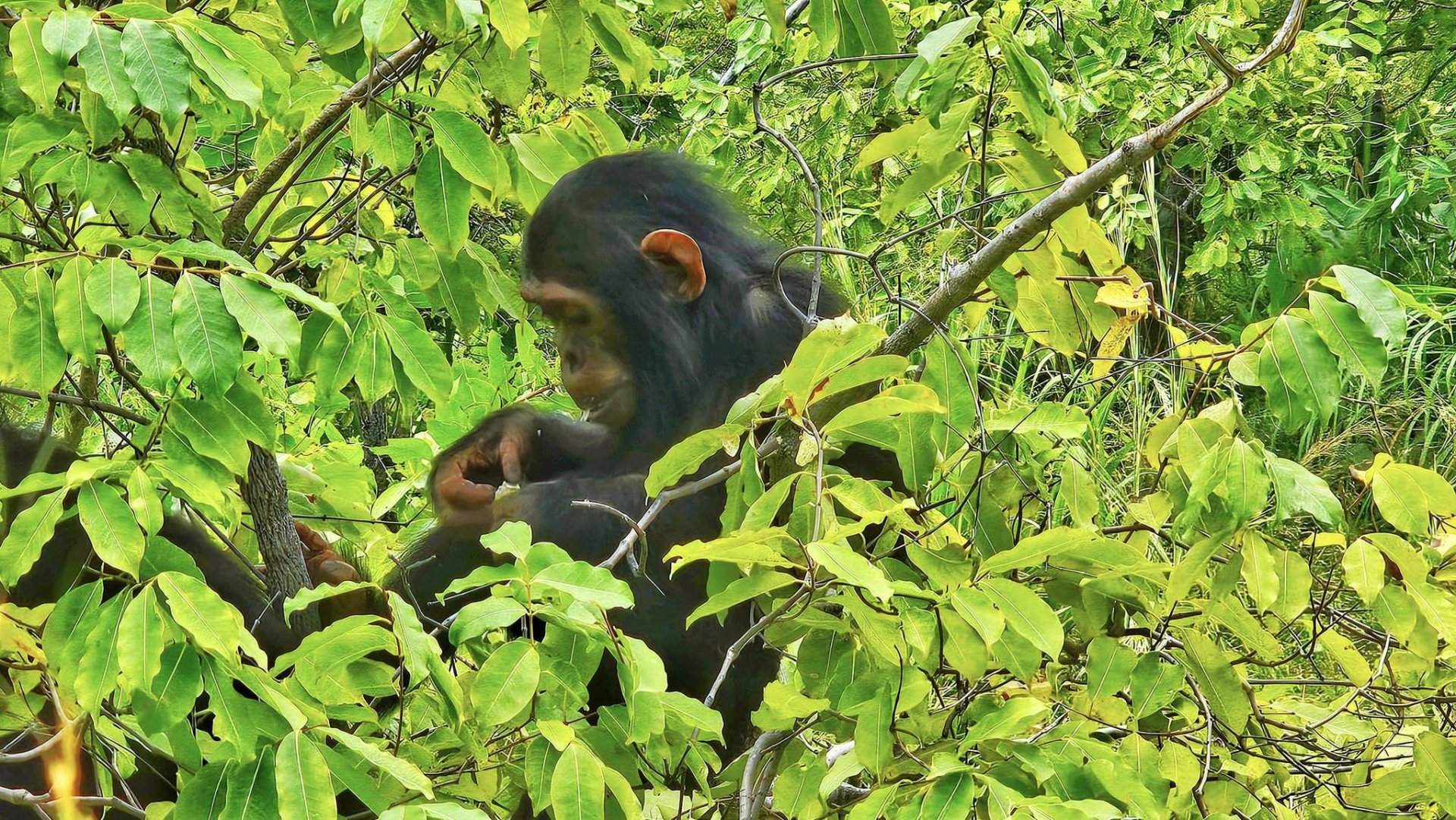
Gombe Stream National Park is one of the most famous wildlife research sites on Earth. This tiny park ÔÇö just 52 square kilometres of steep forested valleys dropping to Lake Tanganyika's shore ÔÇö is where Dr. Jane Goodall began her groundbreaking chimpanzee research in 1960, forever changing our understanding of the relationship between humans and the natural world.

Despite its small size, Gombe protects a community of approximately 100 chimpanzees, many descended from the individuals Goodall first studied over six decades ago. Trekking into the forest to observe these chimps ÔÇö Fifi's and Frodo's descendants ÔÇö is a pilgrimage for anyone passionate about wildlife and conservation.

The park's steep valleys, cascading streams, and lakeshore forests create a remarkably diverse habitat. The trek to find the chimps can be challenging ÔÇö scrambling up steep slopes and pushing through thick vegetation ÔÇö but the reward of sitting quietly with a wild chimpanzee family is beyond compare.

Gombe is more than a safari destination; it is a living monument to the power of patience, observation, and one woman's determination to understand the natural world.

Safari Tours in Gombe Stream National Park

Custom Safari Available

Gombe Stream National Park can be included in any of our tailor-made safari itineraries. Tell us your dates and interests, and our team will design the perfect trip.

Request a Custom Itinerary

Wildlife & What You'll See

Gombe is home to approximately 100 chimpanzees in several communities. The Kasekela community is habituated and can be visited by researchers and tourists. The chimps' behaviours ÔÇö tool use, social hierarchy, grooming rituals ÔÇö are the same ones Goodall first documented.

The park also shelters olive baboons (a large troop is resident near the lakeshore), red colobus monkeys, red-tailed monkeys, vervet monkeys, and blue monkeys. Bushbuck and bushpig inhabit the forests. Lake Tanganyika supports diverse fish species and the park's waterfront attracts African fish eagles, Peter's twinspot, and other forest birds.

How to Get There

Gombe is accessed from Kigoma town, which has scheduled flights from Dar es Salaam (approximately 2 hours). From Kigoma, a motorboat ride along Lake Tanganyika takes 1-2 hours to reach the park. There are no roads within the park ÔÇö all exploration is on foot.

Park Fees & Regulations

Park entry fees are $82.60 per adult per 24 hours (non-resident). Chimpanzee trekking is included in the entry fee. Guided walks are compulsory. Boat transfer from Kigoma is arranged separately, typically included in your tour package.

Frequently Asked Questions

What is the difference between Gombe and Mahale for chimp trekking?
Gombe is smaller, more historic (Jane Goodall's research site), and easier to access from Kigoma. Mahale is larger, more remote, with more chimps and luxury lodge options on Lake Tanganyika. Gombe offers a more intimate, research-focused experience; Mahale offers a more immersive wilderness adventure. Both are extraordinary.
How long should I spend at Gombe?
Two nights is ideal ÔÇö one full day for chimp trekking with time for a second trek if the first is shorter than expected. The boat journey from Kigoma is part of the experience. One night is possible but tight, as weather can delay boat transfers.
Is Gombe suitable for families?
Children under 15 are not permitted on chimp treks at Gombe (this is a strict park rule to protect both children and chimps). Families with older teenagers will find it a powerful educational experience. The boat journey and lakeshore environment appeal to all ages.
Stay in the loop

Safari tips, seasonal deals & trip inspiration

Join 2,400+ travellers who get our monthly dispatch. No spam — just the good stuff.

Plan Your Safari

Tell us your dream trip — our Arusha team will craft a bespoke itinerary within 6 hours.

1 Where
2 Style
3 When
4 You
Step 1 of 4

Where do you want to go?

Serengeti National Park Home to the Great Migration — over two million ...
Ngorongoro Crater The world's largest intact volcanic caldera — a...
Mount Kilimanjaro Africa's highest peak at 5,895 metres — a bucke...
Zanzibar Archipelago Turquoise waters, white sand beaches, and Stone...
Tarangire National Park Ancient baobab trees and the largest elephant h...
Lake Manyara National Park A compact jewel where tree-climbing lions loung...
Nyerere National Park Africa's largest national park — a wild, remote...
Ruaha National Park Tanzania's largest mainland national park — a r...
Arusha National Park A compact highland gem at the foot of Mount Mer...
Lake Natron A surreal, Mars-like landscape of crimson alkal...
Mikumi National Park Tanzania's most accessible Southern Circuit par...
Katavi National Park One of Africa's last untouched wilderness front...
Mahale Mountains National Park Wild chimpanzees in a tropical paradise ÔÇö tre...
Gombe Stream National Park Where Jane Goodall changed our understanding of...
Saadani National Park The only national park in East Africa where the...
Udzungwa Mountains National Park The "Galapagos of Africa" ÔÇö ancient rainfores...
Mkomazi National Park A resurgent wilderness at the foot of the Usamb...
Kitulo National Park The "Serengeti of Flowers" ÔÇö a highland plate...
Mafia Island Marine Park East Africa's finest marine park ÔÇö swim with ...
Pemba Island The "Green Island" ÔÇö vertiginous clove planta...
Not sure yet Help me decide